How Austin Comfort Food Evolved: From Tex-Mex Roots to Modern Fusion
You'll discover Austin's comfort food blends centuries-old Mexican, German, and Czech traditions with modern food truck innovation.
Mexican techniques rooted in ancient Mesoamerican cooking merge with European smoking methods in Central Texas barbecue, while breakfast tacos reimagine traditional ingredients for contemporary tastes. Korean-Mexican fusion dishes share space with authentic kolaches, and family-owned Tex-Mex establishments operate alongside experimental vendors.
his progressive, farm-to-table approach honors traditional recipes while adapting them to seasonal ingredients and multicultural influences that define the city's evolving culinary identity.
What Makes Austin Comfort Food Different from the Rest of Texas?
Austin's comfort food scene stands out by embracing a progressive, multicultural approach that constantly evolves. You'll discover experimental fusion dishes like Korean tacos alongside reimagined kolaches filled with jalapeño sausage, reflecting Czech and German influences that extend beyond typical Tex-Mex offerings.
Farm-to-table sourcing plays a major role, with chefs prioritizing ingredients from Central Texas farms and ranches. Restaurants like Odd Duck highlight this commitment through seasonal menus that rotate based on availability rather than fixed recipes.
The city's food truck culture also drives innovation, giving chefs a platform to test bold ideas while maintaining high-quality preparation. These mobile kitchens create community spaces where locals and visitors connect over inventive takes on familiar comfort foods.
Mexican Cooking Traditions That Shaped Austin's Food Culture
Austin's culinary identity is deeply rooted in Mexican and Indigenous cooking traditions that predate the city's founding. Early Mesoamerican techniques introduced staples like corn tortillas, nixtamalized maize, and chile-based sauces that still define the region’s flavors.
As Mexican communities settled in Texas, these traditions blended with local ingredients. You'll see this evolution in flour tortillas gaining popularity, the addition of cheddar cheese, and the use of Texas-raised beef in traditional dishes.
Ranch kitchens combined Native American and Spanish influences, giving rise to enduring staples like chili con carne, which remains a cornerstone of Texas comfort food today.
How Breakfast Tacos Became Austin's Most Iconic Comfort Food
Breakfast tacos trace their roots to northern Mexico and South Texas, where portable meals like tacos de guisado were common among working communities. San Antonio is widely recognized as the birthplace of the modern breakfast taco, but Austin helped popularize and evolve it through its food truck scene in the late 20th century.
Today, breakfast tacos are a defining part of Austin’s identity, found everywhere from gas stations to upscale brunch spots. Variations include migas, bacon and egg, potato and chorizo, and creative combinations that reflect the city’s experimental food culture.
Their portability, affordability, and adaptability make them one of the most accessible and widely enjoyed comfort foods in Austin.
German and Czech Immigrants Who Brought Sausage and Kolaches to Central Texas
German and Czech immigrants who settled in Central Texas during the 19th century introduced culinary traditions that remain essential to the region’s identity. Communities in areas like Fayette County and Central Texas settlements brought techniques for sausage-making and baking that shaped local cuisine.
German butchers established traditions of smoked and fresh sausages, influencing what would later become Central Texas barbecue. Czech immigrants introduced kolaches, originally fruit-filled pastries that evolved into both sweet and savory varieties in Texas.
These foods continue to thrive in bakeries, meat markets, and roadside stops across the Austin area, preserving a strong connection to European heritage.
Why Central Texas Barbecue Tastes Different: Smoking Techniques and Cultural Roots
Central Texas barbecue is defined by its simple seasoning and slow-smoking techniques, rooted in German meat-market traditions. Pitmasters typically cook brisket using indirect heat at 225°F to 275°F over post oak wood, creating a balanced smoky flavor.
The classic seasoning—just salt and black pepper—allows the meat’s natural flavor to stand out. Brisket is often wrapped in butcher paper during cooking to retain moisture while preserving bark texture.
This approach results in tender, flavorful barbecue that has become one of Austin’s most celebrated comfort food traditions.
Southern Soul Food Staples That Define Austin Comfort Cooking
Austin’s soul food scene reflects African American culinary traditions, emphasizing resourcefulness, flavor, and community. Dishes like fried catfish, smothered chicken, and oxtails highlight slow-cooking techniques and bold seasoning.
Classic sides such as collard greens, black-eyed peas, and cornbread remain staples, while banana pudding continues as a signature dessert.
Restaurants like Hoover’s Cooking showcase these traditions, while modern kitchens introduce plant-based variations that maintain traditional flavors with updated ingredients.
Essential Tex-Mex Dishes Every Austin Comfort Food Menu Includes
Tex-Mex cuisine anchors Austin’s comfort food landscape, with familiar dishes appearing across nearly every menu.
You'll find:
- Queso served with tortilla chips
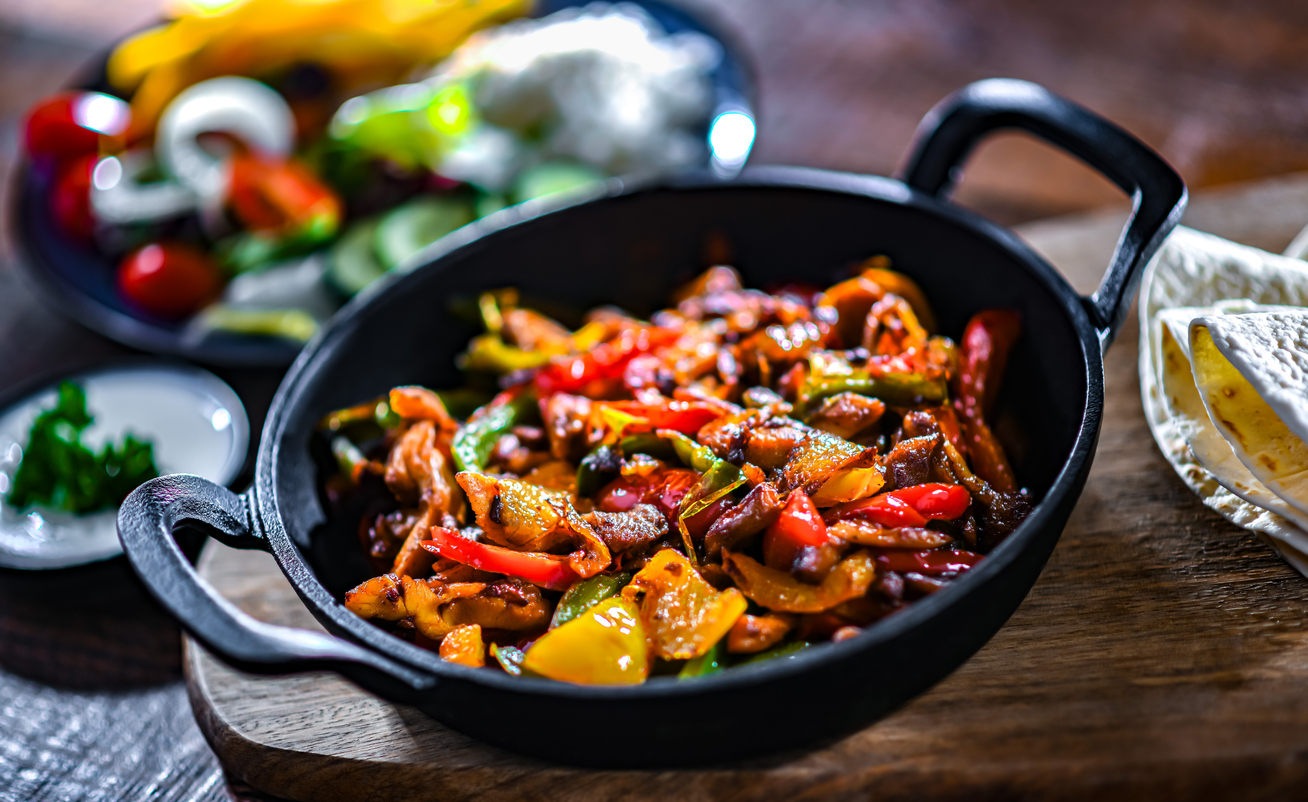
- Fajitas sizzling with beef, chicken, or shrimp
- Enchiladas with chili gravy or mole
- Tamales wrapped in corn husks with savory fillings
- Breakfast tacos featuring endless combinations
Restaurants like Eldorado Cafe highlight house-made salsas and queso, while longstanding establishments continue to define the city’s Tex-Mex identity.
The Fajita's Journey From Ranch Tradition to Austin Restaurant Staple
Fajitas originated from ranch workers grilling skirt steak over open fires, turning a tough cut of meat into a flavorful meal. Over time, this simple preparation evolved into a restaurant favorite.
In the early 1980s, chefs introduced the now-iconic sizzling skillet presentation, transforming fajitas into a sensory dining experience. This style quickly spread nationwide, becoming a defining feature of Tex-Mex cuisine.
Today, fajitas remain a staple across Austin restaurants, blending their ranching origins with modern presentation and flavor variations.
How Frontier Ingredients Evolved Into Modern Austin Comfort Classics
Austin’s comfort food reflects a history of adaptation and innovation, where early frontier ingredients evolved into recognizable modern dishes.
The introduction of chili powder in the late 19th century made Tex-Mex cooking more accessible, while ingredients like canned tomatoes, cheddar cheese, and flour tortillas became pantry staples.
Historic venues such as Scholz Garten, one of Texas’ oldest beer gardens, helped establish communal dining traditions that continue to shape Austin’s food culture.
These foundational elements still influence today’s menus, bridging the gap between tradition and innovation.
Where to Find the Best Traditional Comfort Food in Austin Today
Austin’s dining scene brings together classic recipes and modern interpretations across a wide range of restaurants.
Top destinations include:
- Sawyer & Co. – East Austin spot serving Cajun comfort dishes like jambalaya and blackened catfish
- Valentina’s Tex Mex BBQ – Known for combining barbecue with Tex-Mex flavors, especially breakfast tacos
- Salt & Time – Butcher shop and restaurant offering house-made meats and seasonal dishes
- Blue Corn Harvest – Hill Country favorite serving elevated comfort classics
- Lupe Tortilla – Popular for fajitas and traditional Tex-Mex plates
These establishments highlight how Austin continues to honor its culinary roots while embracing creativity.
Conclusion
You'll discover that Austin's comfort food scene is a dynamic blend of tradition and innovation, shaped by generations of cultural influence. From breakfast tacos and smoked brisket to kolaches and soul food staples, every dish tells a story of adaptation and community.
Exploring Austin’s food scene offers more than just a meal—it’s a chance to experience the city’s history, diversity, and creativity through every bite.