What Austin Texas Homeowners Deal with Most: Heat, Shifting Soil, and Wear Over Time
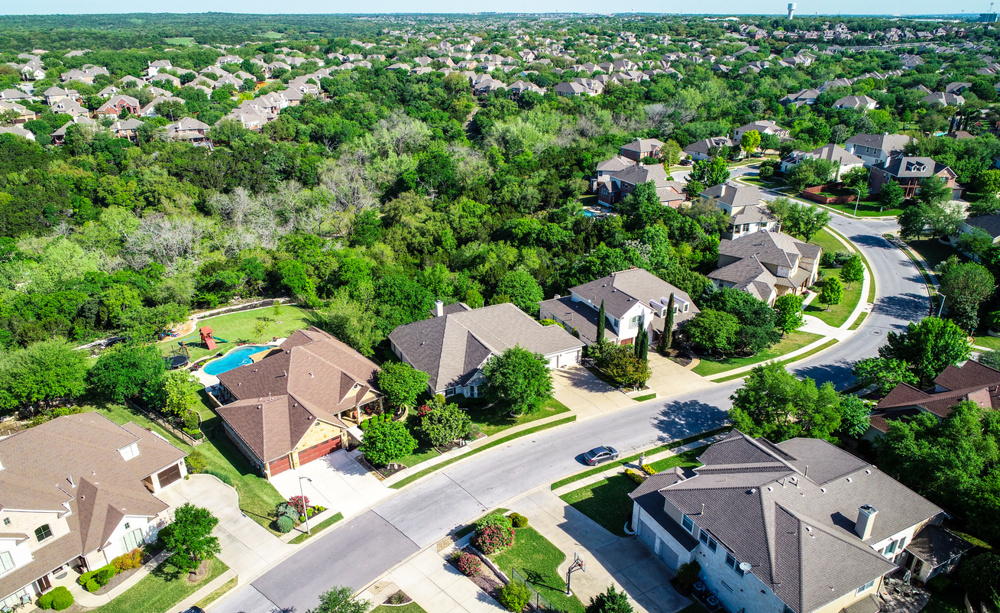
Austin homeowners face a unique combination of long-term stresses that gradually wear down residential structures. Extreme heat, highly expansive clay soils, and repeated wet-to-dry weather cycles place constant pressure on foundations, slabs, and structural components. In Central Texas, this ongoing stress contributes to visible cracking, misaligned doors, uneven floors, and drainage issues in a significant share of homes over time.
Local geotechnical studies and insurance data consistently show that expansive clay soils are one of the leading causes of structural movement in Texas, with Central Texas among the most affected regions. Understanding how Austin’s climate and soil interact is essential for preventing costly long-term damage.
Is Your Austin Home Showing These Foundation Warning Signs?
Foundation issues in Austin often begin subtly before progressing into costly structural problems. Homeowners should watch for:
- Interior cracks wider than ¼ inch in drywall or flooring
- Doors and windows that stick, tilt, or no longer latch properly
- Uneven, sloping, or bouncy floors, especially near exterior walls
- Separation at brick joints, siding gaps, or stair-step cracks in masonry
- Water pooling near the foundation after rainfall
These symptoms frequently result from soil expansion and contraction beneath slab foundations, rather than poor construction alone. Moisture imbalances accelerate movement, especially when water collects near the home or plumbing leaks occur under the slab.
Severe warning signs—such as floor-to-ceiling wall cracks, leaning chimneys, or widening exterior gaps—should be evaluated by a structural or foundation professional immediately.
Foundation Symptom Timeline: How Problems Typically Progress Over 10–30 Years
Over time, foundation movement in Austin often follows a recognizable pattern—especially in expansive clay areas where wet/dry cycles repeat every year. The timeline below is a general roadmap of how symptoms can escalate if drainage and moisture control aren’t addressed early.
- Years 0–5 (Early movement begins): Hairline drywall cracks, minor trim separation, small gaps at baseboards, and occasional sticking interior doors during seasonal shifts.
- Years 5–10 (Recurring seasonal symptoms): Doors and windows stick more often, tile grout begins cracking in multiple rooms, and small exterior mortar cracks may appear—especially after heavy rains followed by hot, dry stretches.
- Years 10–20 (Structural patterns emerge): Cracks widen or reappear in the same places after cosmetic repairs, floors develop noticeable slope or “soft spots,” and exterior brick cracking becomes easier to spot at corners and around openings.
- Years 20–30 (Higher-risk movement): Larger separations, recurring plumbing issues from shifting lines, more pronounced floor slope, and visible exterior displacement (brick, fascia, porch slabs, or chimney separation). At this stage, repairs tend to be more extensive because movement has had more time to affect multiple systems.
Why Austin’s Clay Soil Causes So Much Foundation Stress
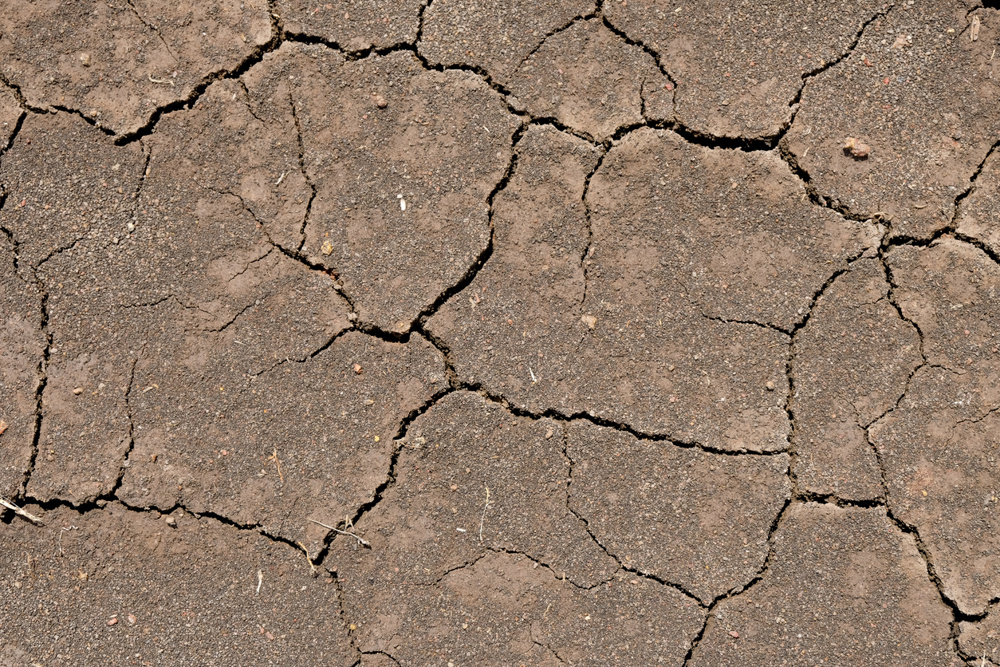
Much of the Austin metro area sits atop expansive clay soils, particularly montmorillonite-rich clays that absorb moisture and swell, then shrink significantly during dry periods. In some East and Southeast Austin neighborhoods, clay content can exceed 40–60%, making these areas especially vulnerable to movement.
Three factors amplify the problem:
- Soil composition: Expansive clays change volume dramatically with moisture.
- Climate volatility: Central Texas routinely swings between drought and heavy rainfall.
- Heat exposure: Prolonged summer temperatures above 100°F rapidly dry soil, increasing shrinkage beneath slabs.
Collectively, expansive soils are estimated to cause billions of dollars in structural damage nationwide each year, exceeding losses from many other natural hazards when measured over time.
How Extreme Weather Cycles Accelerate Foundation Damage in Central Texas
Austin’s foundation issues are intensified by increasingly volatile weather patterns. Extended droughts dehydrate soil beneath homes, while sudden heavy rain events cause rapid re-expansion. This push-pull cycle creates uneven pressure points along slab edges and interior load zones.
Texas has seen a sharp increase in billion-dollar weather disasters, rising from an average of about 2–3 per year in the early 2000s to more than a dozen annually in recent years, according to NOAA data. These events include floods, hailstorms, extreme heat waves, and droughts—all of which affect soil stability.
Climate projections for Central Texas indicate:
- More intense rainfall events
- Longer dry periods between storms
- Higher average summer temperatures
Together, these trends increase the likelihood of recurring foundation movement over a home’s lifespan.
New Builds vs. 1980s–1990s Construction: What’s Different in Risk and Symptoms
Austin homes from different eras tend to show foundation stress in different ways—not because older homes are “worse,” but because design practices and foundation systems changed over time.
1980s–1990s homes: Many were built during major metro growth years. You’ll often see slab foundations that can develop classic symptom clusters—corner cracking, recurring drywall cracks, and slope that becomes noticeable over time if drainage patterns change.
Post-2010 new builds: Newer construction frequently relies on engineered slab designs and methods commonly used across Texas for expansive soils, including post-tensioned slab systems in many subdivisions. These designs can improve performance, but they still depend heavily on consistent moisture and drainage management—especially during drought-to-downpour cycles.
Practical takeaway: Newer homes can show fewer symptoms early on, but when problems appear, they’re often tied to drainage shortcuts, landscaping changes, or plumbing leaks rather than “age.” Older homes may show more visible wear, but stable maintenance routines can keep symptoms from escalating.
Which Austin Neighborhoods Face the Highest Foundation Risk?
Foundation risk in Austin varies significantly by location and soil type. A commonly observed dividing line follows Interstate 35:
| Area | Relative Risk | Primary Factors |
| East Austin | High | Blackland Prairie clay, fill soil, slower drainage |
| South & Southeast Austin | Moderate–High | Expansive clay, newer subdivisions on graded land |
| Central Austin | Variable | Mixed soils, aging infrastructure |
| West Austin | Low–Moderate | Shallower soils, closer bedrock |
East Austin neighborhoods tend to experience greater soil volume change than western areas where limestone bedrock is closer to the surface. While wildfire risk mapping has expanded in Austin’s wildland-urban interface, foundation risk remains most closely tied to soil composition and moisture management rather than fire exposure alone.
Austin’s Soil Type and Construction Era
Austin’s foundation risk is strongly tied to what’s under the home. On a simple “city split,” many east/central areas sit on Blackland Prairie clays that can shrink and swell significantly, while much of west Austin trends toward shallower, rockier soils associated with the Edwards Plateau.
| Austin Pattern | Common Soil Traits | Common Construction Eras Seen | Why It Matters |
| East / Northeast / parts of Southeast | Higher shrink-swell clay potential (expansive) | Many older neighborhoods + substantial infill; newer subdivisions also exist | Seasonal soil movement can drive recurring cracks if drainage/moisture is inconsistent. |
| Central Austin (mixed) | Transition zones; variable fill + mixed soils | Older housing stock, remodel-heavy areas | Fill dirt and drainage changes from remodels can worsen movement patterns. |
| West / Northwest (more rock influence) | Shallower soils; closer limestone/bedrock influence | Many mid- to newer-era neighborhoods | Movement can still occur, but symptoms may present differently (slope/settlement can be more localized). |
Note: You can confirm your address-level soil profile using USDA/NRCS soil mapping datasets (SSURGO and related tools).
The Hidden Connection Between Plumbing Leaks and Foundation Failure

Plumbing leaks are one of the most underestimated contributors to foundation damage in Austin homes. Even small leaks can release thousands of gallons per year beneath a slab, saturating clay soils and causing localized expansion.
Common indicators include:
- Sudden unexplained water bill increases
- Warm spots on flooring (from hot-water line leaks)
- Persistent dampness or musty odors
Professional leak detection typically costs $300–$600, while slab leak repairs often range from $630 to $4,400, depending on location and access. Left unresolved, these leaks can trigger foundation movement that multiplies repair costs.
Drainage Improvements That Reduce Foundation Movement
Proper drainage is one of the most effective defenses against foundation stress in Austin homes. Effective strategies include:
- French drains installed 12–18 inches below grade
- Surface drains and catch basins for patios and driveways
- Positive grading that slopes soil away from the foundation
- Extended gutter downspouts directing water at least 5–10 feet away
These systems reduce soil saturation near the slab and help stabilize moisture levels during heavy rain events.
What Foundation Repairs Cost Austin Homeowners
Foundation repair costs in Austin reflect the region’s soil complexity and labor demands:
- Minor crack repairs: $250–$800
- Moderate stabilization work: $3,500–$12,000
- Pier installation or lifting: $10,000–$25,000+
Homes under 1,000 sq. ft. often average $6,000–$8,000, while 2,000–3,000 sq. ft. homes frequently exceed $13,000–$15,000, depending on pier count and access conditions.
Insurance Reality Check: Why Foundation Movement Is Often Excluded
Many homeowners are surprised to learn that foundation movement is frequently treated as an “earth movement” issue under common homeowners policies. Policy language often excludes damage caused by settling, cracking, shrinking, bulging, or expansion of foundations, walls, floors, or ceilings—even when the result is very real damage inside the house.
That doesn’t mean every related event is automatically excluded. If foundation damage is clearly linked to a covered peril (for example, a sudden accidental plumbing discharge that causes soil changes), coverage can become more fact-specific—so documentation matters. In practice, homeowners benefit from keeping inspection photos, drainage records, and any plumbing leak documentation in one folder before filing.
Seasonal Foundation Care for Austin Homes
Seasonal maintenance helps limit soil movement:
- Spring: Monitor drainage and repair erosion
- Summer: Maintain consistent moisture using soaker hoses (not overwatering)
- Fall: Ideal time for repairs due to stable soil conditions
- Winter: Reduce watering frequency while preventing extreme dryness
Consistency—not saturation—is the goal.
When DIY Fixes Are Enough—and When They Aren’t
DIY repairs are appropriate for:
- Hairline drywall cracks
- Cosmetic separation without movement
Professional evaluation is needed for:
- Brick or slab cracking
- Sloping floors
- Repeated door or window misalignment
Improper DIY repairs can worsen long-term damage, especially when soil behavior is misunderstood.
Protecting Your Foundation as Austin’s Climate Evolves
As Central Texas heat and rainfall extremes intensify, moisture management becomes the single most important long-term strategy. Regular inspections, proper drainage, and early leak detection reduce risk far more effectively than reactive repairs.
Conclusion
Austin homeowners contend with a challenging mix of heat, expansive soils, and aging infrastructure. By understanding warning signs, managing moisture consistently, and addressing small issues early, homeowners can avoid the most costly foundation failures. Proactive care remains the most reliable defense against Central Texas’s demanding conditions.