Exploring the Roots of Tex-Mex and Mexican Flavors
Tex-Mex and traditional Mexican cuisines are two culinary styles that often spark debate and curiosity. While they share some similarities, their origins, ingredients, and preparation methods set them apart. Tex-Mex represents a fusion of Mexican dishes with American influences, particularly in Texas.
Tex-Mex cuisine has a rich and multifaceted history that dates back to the 19th century. You'll find that its cultural origins are deeply rooted in Texas, where diverse populations mingled, giving rise to this unique culinary blend. The term "Tex-Mex" itself emerged during this time to describe the fusion of Mexican and American culinary traditions. The culinary evolution of Tex-Mex can be traced even further back to the Spanish invasion of Mexico in the 1500s. This event brought new ingredients that merged with indigenous cooking practices, setting the stage for Tex-Mex's development. Influential food writer Diana Kennedy played a vital role in the 1970s by defining and distinguishing Tex-Mex cuisine, highlighting its unique characteristics separate from authentic Mexican dishes.
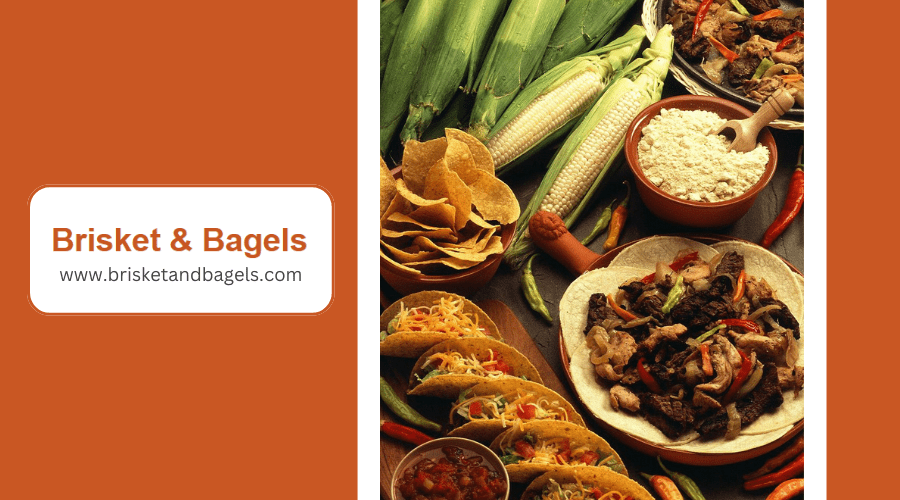
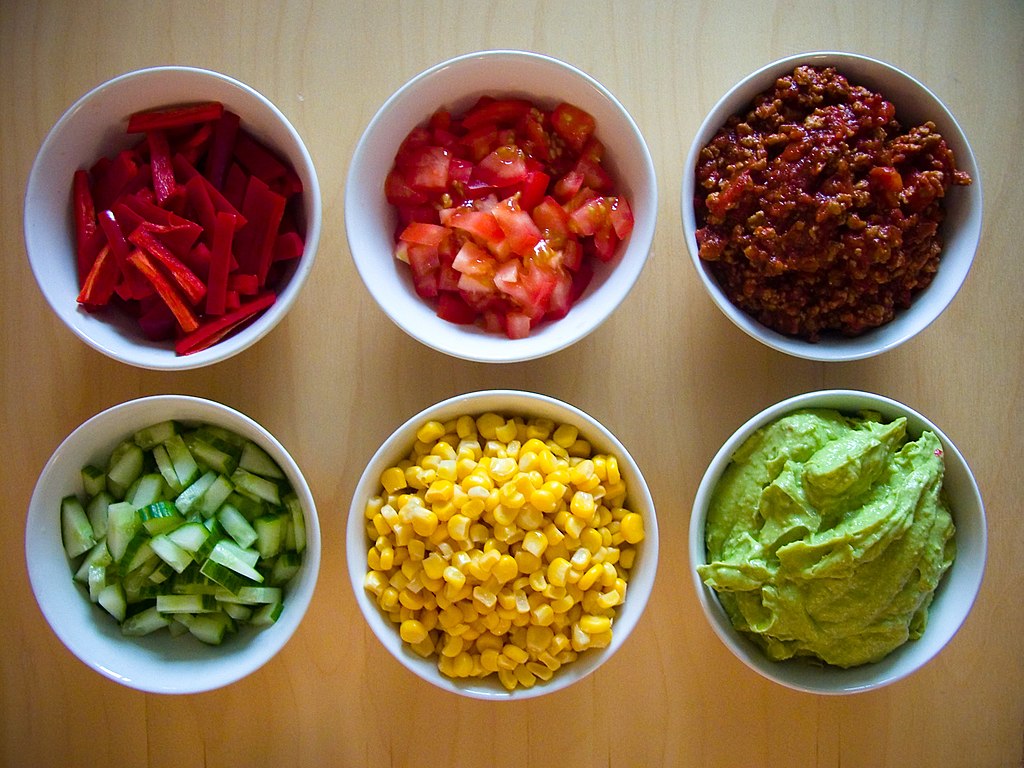
Plunge into the heart of Tex-Mex and traditional Mexican cuisines, and you'll quickly notice the stark contrast in their key ingredients. Tex-Mex cuisine leans heavily on yellow cheese, beef, canned tomatoes, and flour tortillas. These ingredients shape its key flavors, offering a distinct taste profile. In contrast, traditional Mexican cooking cherishes fresh, locally sourced ingredients like corn, diverse chilies, and regional herbs that enhance the natural flavors of each dish. When you investigate Tex-Mex dishes, you'll often find processed components, such as canned goods and pre-packaged seasonings, making their way into recipes. This contrasts sharply with traditional Mexican food, which welcomes indigenous ingredients like pinto beans, fresh cilantro, and a lively selection of fresh vegetables. While Tex-Mex often involves bell peppers for its vegetable base, authentic Mexican recipes celebrate indigenous varieties like nopales and tomatillos.
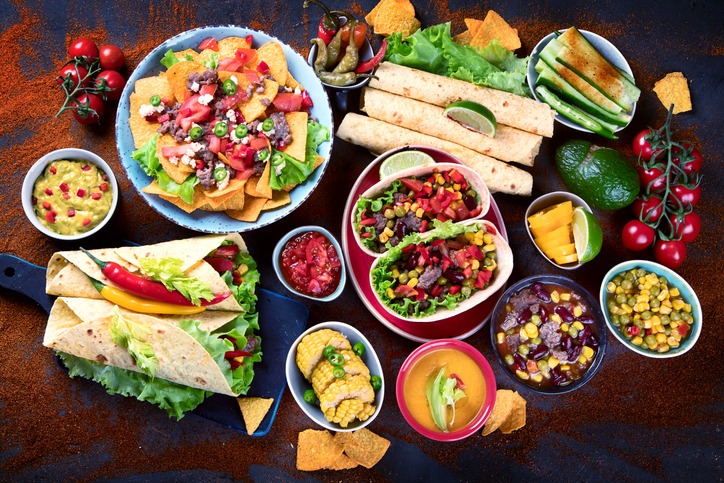
Dishes like queso dip, chili con carne, and nachos are quintessential, offering bold flavor profiles and hearty ingredients. Traditional Mexican cuisine, on the other hand, focuses on authentic dishes like enchiladas. These are usually crafted with corn tortillas, filled with a range of meats, and topped with a rich, savory sauce.
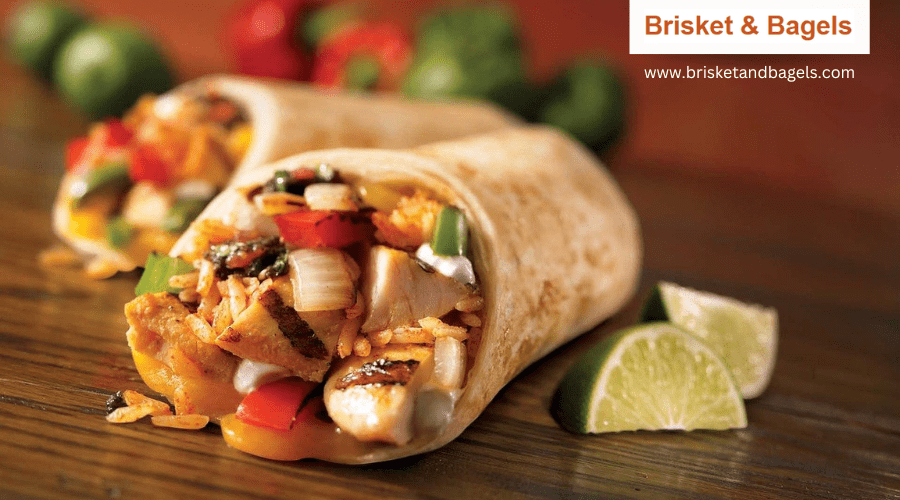
In Tex-Mex, tacos typically feature flour tortillas filled with ground beef, offering a straightforward flavor. Traditional Mexican tacos, however, are crafted with corn tortillas and slow-cooked meats, simply garnished with onions and cilantro, highlighting the layered flavors. Dishes like chili con carne in Tex-Mex are made with cubed beef and often skip beans, straying from Mexican versions enriched with beans and fresh herbs.Traditional Mexican cuisine excels in layering flavors with fresh herbs and spices in their purest forms, while Tex-Mex relies more on bold, single-note spices like chili powder and cumin, creating distinct flavor profiles for each culinary style.
Dining Experience
While exploring the dining experience of Tex-Mex and traditional Mexican food, you'll notice a distinct difference in ambiance and presentation. Tex-Mex dining often takes place in Americanized restaurants, where a casual dining atmosphere thrives. These spots are perfect for family gatherings, offering comfort food in a setting that's social and lively. In contrast, authentic Mexican dining often happens in family-run taquerias or street food stalls. These venues focus on traditional recipes and local ingredients, presenting a more refined and culturally engaging experience. The dining atmosphere here includes the charm of traditional music and folk art, offering a sensory exploration into Mexico's rich heritage. Meals are typically served with an emphasis on showcasing the natural flavors of individual ingredients. Austin, known for its specialty BBQ sandwiches, also offers a diverse culinary scene blending flavors from various influences.
Tex-Mex has gained global fame thanks to chain restaurants like Taco Bell and Chili's. Its popularity stems from its accessible flavors and crowd-pleasing dishes. Traditional Mexican food has also made its mark worldwide, with restaurants and food festivals celebrating authentic dishes and cooking methods. However, it often requires more specialized ingredients and preparation, making it less common in mainstream eateries.
Final Thoughts
Tex-Mex and traditional Mexican food each offer something special for diners to enjoy. Tex-Mex brings creativity and convenience, with dishes that reflect the cultural exchange between Texas and Mexico. Traditional Mexican food carries centuries of history and craftsmanship, with flavors deeply rooted in its land and people.