How Texas Became a Home for Diverse Comfort Food Traditions
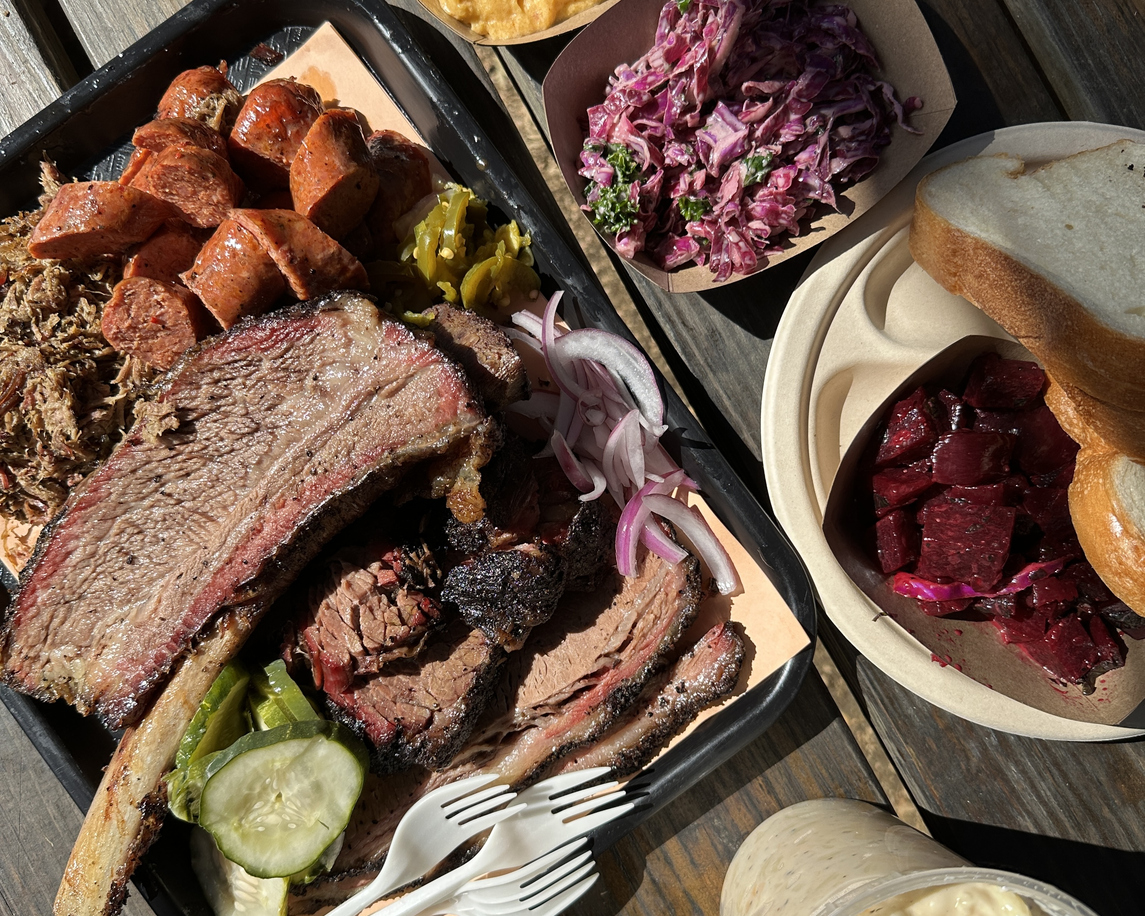
Texas became a comfort food destination through centuries of cultural blending and regional adaptation. Spanish settlers, Indigenous communities, Tejano families, European immigrants, and ranching traditions all contributed to a food culture that is both practical and deeply rooted in history. From slow-smoked brisket and Tex-Mex classics to Gulf Coast seafood and Cajun-influenced dishes, Texas cuisine reflects a mix of influences shaped by geography, migration, and available ingredients. This combination created the diverse comfort food traditions that define the state today.
What Makes Texas Comfort Food Different from Mexican Food?
View this post on Instagram
Texas comfort food—especially Tex-Mex—developed as a regional adaptation of Mexican cuisine, influenced by local ingredients and cultural exchange. Tex-Mex often features:
- Beef as a primary protein, reflecting Texas ranching culture
- Flour tortillas, more common in northern Mexico and Texas
- Yellow cheese varieties, such as cheddar
- Seasonings like cumin and chili powder blends
Traditional Mexican cuisine, by contrast, relies more heavily on:
- Corn tortillas
- Fresh chilies and herbs
- Regional cooking techniques that vary widely across Mexico
Tex-Mex is not a replacement for Mexican food—it is a distinct regional cuisine shaped by Tejano communities and evolving tastes in Texas during the late 19th and early 20th centuries.
How Tejano Families Created Tex-Mex Classics Like Queso and Fajitas
View this post on Instagram
Tejano families played a central role in shaping what is now recognized as Tex-Mex cuisine. Fajitas originated in South Texas, where ranch workers grilled skirt steak—once considered a lesser cut—over open flames. Over time, the dish became a staple in restaurants and homes across the state. Chili con carne has roots in San Antonio, where street vendors known as “chili queens” served it in the late 1800s. The widespread use of chili powder, popularized by William Gebhardt in the 1890s, helped standardize flavors and made dishes easier to prepare year-round. While dishes like queso evolved over time, they reflect a broader trend of adapting ingredients to local availability, resulting in flavors that are now closely associated with Texas dining.
Why German and Czech Butchers Made Brisket a Texas Staple
View this post on Instagram
German and Czech immigrants who settled in Central Texas during the 1800s brought meat preservation and smoking techniques that would define Texas barbecue. Brisket, a tough cut of meat, became ideal for slow smoking. Using low heat and hardwoods like post oak, butchers transformed it into a tender, flavorful dish. These traditions were often tied to local meat markets, where smoked meats were sold directly to customers. Over time, this approach evolved into the Texas barbecue style known today for its simple seasoning, long cook times, and emphasis on meat quality. Jewish deli traditions also contributed to brisket’s popularity, particularly in urban areas, reinforcing its place in Texas food culture.
The Chuckwagon Foods Cowboys Ate on the Trail
During cattle drives in the late 1800s, cowboys relied on the chuckwagon, a mobile kitchen designed to support long journeys. Meals focused on practicality and durability, including:
- Salted meats and beans
- Biscuits and sourdough bread
- Coffee and simple stews
Cooking was done using cast-iron skillets and Dutch ovens, often over open fires. These methods influenced many modern comfort food dishes, particularly those emphasizing hearty, filling meals made with simple ingredients.
How Spanish and Indigenous Traditions Shaped Texas Flavors
Long before Texas became part of the United States, Spanish settlers and Indigenous communities shaped the region’s culinary foundation. Chile peppers, native to the Americas, were already used by Indigenous peoples and became central to regional cooking. Spanish settlers introduced livestock, wheat, and cooking techniques, which blended with existing food traditions. In South Texas and San Antonio, Canary Island settlers in the 1700s contributed dishes and seasoning styles that influenced early forms of chili con carne and stews. This combination of Indigenous ingredients and Spanish influence laid the groundwork for many of Texas’s most recognizable flavors.
East Texas Gumbo: Louisiana’s Influence on Texas Comfort Food
View this post on Instagram
Southeast Texas shares strong cultural and culinary ties with Louisiana, particularly through Cajun and Creole traditions. Dishes like gumbo, boudin, and crawfish boils became part of East Texas cuisine as people moved between the two regions. The growth of the oil industry in the early 1900s further connected communities across state lines. Today, cities like Beaumont, Port Arthur, and Orange continue to reflect this influence, with comfort food that blends Texas ingredients and Louisiana cooking styles.
Why Flour Tortillas Became Common in Texas Cooking
Flour tortillas became a staple in Texas due to agriculture and geography. Wheat grows more easily in northern Mexico and Texas than in southern regions, making flour tortillas a practical alternative to corn. Their soft, flexible texture also made them ideal for dishes like fajitas and burritos. Over time, flour tortillas became a defining feature of Tex-Mex cuisine, reflecting the region’s unique blend of Mexican and American influences.
The Smoking Techniques Behind Texas Barbecue Traditions
Texas barbecue is defined by slow smoking and regional wood choices. Different parts of the state developed distinct styles:
- Central Texas – Post oak and simple salt-and-pepper seasoning
- East Texas – Sweeter sauces and softer meats
- West Texas – Direct heat cooking with mesquite
- South Texas – Influences from Mexican cooking and marinades
Traditional barbecue often involves long cooking times, sometimes exceeding 12 hours, allowing tough cuts like brisket to become tender and flavorful.
How Family Restaurants Popularized Tex-Mex Across the U.S.
Tex-Mex cuisine spread beyond Texas largely through family-owned restaurants. In San Antonio, early street vendors introduced dishes to visitors, while restaurants in the early 1900s began serving combination plates with rice, beans, and main dishes. As Tex-Mex gained popularity, restaurants adapted recipes to suit broader audiences, often using milder flavors and more cheese. By the mid-20th century, Tex-Mex had become a recognized and widely enjoyed cuisine across the United States.
Texas Comfort Food Staples: Brisket, Enchiladas, and Chicken-Fried Steak
Texas comfort food includes a mix of dishes shaped by different cultural traditions.
- Brisket reflects Central European smoking techniques and ranching culture
- Enchiladas and Tex-Mex plates highlight Tejano and Mexican influences
- Chicken-fried steak is inspired by European dishes like Wiener schnitzel, adapted using local beef
These dishes represent the combination of immigrant traditions, local ingredients, and regional cooking methods that define Texas cuisine.
Conclusion
Texas comfort food developed through a long history of cultural exchange, adaptation, and innovation. From Spanish and Indigenous influences to European immigration and ranching traditions, each group contributed to a food culture that is both diverse and deeply rooted in place. Today, Texas cuisine continues to reflect that history, offering comfort food that blends tradition, practicality, and bold flavor in a way that is uniquely Texan.
Related posts