San Antonio Comfort Foods Influenced by Cultural History
San Antonio’s comfort food traditions reflect centuries of cultural exchange shaped by Indigenous communities, Spanish settlers, Mexican families, German immigrants, and African American neighborhoods. The city’s culinary identity developed through migration, trade, agriculture, and family traditions passed down across generations.
Today, many of San Antonio’s best-known dishes — from tamales and barbacoa to puffy tacos and pan dulce — tell the story of how different cultures helped shape the city. This rich blend of influences eventually helped San Antonio earn recognition as a UNESCO Creative City of Gastronomy in 2017.
Native American Food Traditions and Early Ingredients
Long before Spanish colonization, Indigenous peoples living throughout South and Central Texas relied on a sophisticated food system built around native plants, seasonal agriculture, and wild game. Corn, beans, and squash — often called the Three Sisters — formed the foundation of many meals and agricultural practices.
Communities also gathered pecans, mesquite beans, prickly pear fruit, and nopales while hunting deer, rabbit, turkey, and other game native to the region. Cooking methods included roasting foods over open fires and slow-cooking meats in underground earth ovens lined with heated stones.
These early ingredients and techniques continue influencing San Antonio cooking today. Corn tortillas, beans, roasted chiles, mesquite flavors, and slow-cooked meats remain central to many traditional dishes served throughout the city.
How Spanish Missions Shaped Early Tex-Mex Cooking
When Spanish missions were established in San Antonio beginning in 1718, they introduced new livestock, crops, and cooking traditions that permanently changed the region’s cuisine.
Mission communities raised cattle, sheep, goats, and pigs while cultivating wheat, peppers, herbs, and fruit orchards. Dairy products and beef became more common in local cooking, while flour tortillas gradually joined corn tortillas as dietary staples.
Spanish influence also introduced new seasonings, stews, breads, and preservation techniques. Over time, Indigenous ingredients blended with Spanish cooking methods, creating the foundation for what would later evolve into Tex-Mex cuisine.
The missions along the San Antonio River became more than religious centers. They also served as agricultural and culinary hubs where cultures blended through everyday cooking and shared food traditions.
Mexican Immigration and the Rise of San Antonio Street Food
Mexican migration into San Antonio throughout the nineteenth and early twentieth centuries deeply shaped the city’s street food culture. Families brought recipes and cooking traditions from across Mexico, introducing foods that would become staples throughout South Texas.
Outdoor food vendors became common in plazas and public gathering spaces, especially near Market Square and downtown areas. Handmade tortillas, tamales, barbacoa, menudo, and tacos became affordable meals for workers and families alike.
San Antonio’s famous Chili Queens gained national attention in the late nineteenth century by serving bowls of chili, tamales, and Mexican dishes from open-air stands in Military Plaza. Their popularity helped introduce many visitors to the city’s emerging Tex-Mex food culture.
Today’s taco trucks, taquerías, and family-owned Mexican restaurants continue this tradition, preserving recipes and cooking styles that have remained part of San Antonio life for generations.
German Influence on San Antonio Comfort Foods
German immigrants arriving in Texas during the mid-1800s brought another layer of culinary influence to San Antonio. Many settled throughout South and Central Texas, including neighborhoods near downtown San Antonio and communities throughout the Hill Country.
These settlers introduced sausage-making traditions, beer brewing, baked goods, smoked meats, and delicatessen culture. Establishments like Schilo’s Delicatessen, which opened in 1917, still serve German-inspired comfort foods including sausages, potato soup, sandwiches, and root beer.
German culinary traditions blended naturally with existing Mexican and Texan food cultures. Smoked meats, butcher shops, bakeries, and beer halls became familiar parts of San Antonio’s food landscape, contributing to the city’s uniquely mixed culinary identity.
African American Culinary Traditions on the East Side
San Antonio’s East Side became an important center for African American culture following the Civil War, and food played a major role in building community and preserving tradition.
Soul food restaurants and family kitchens transformed simple ingredients into deeply flavorful dishes rooted in Southern and African American cooking traditions. Gumbo, fried catfish, oxtails, greens, cornbread, black-eyed peas, and smothered meats became staples throughout East Side neighborhoods.
Restaurants such as Ma Harper’s Creole Kitchen continue preserving these traditions today. Beyond serving meals, these establishments function as gathering spaces where food, storytelling, music, and family history remain closely connected.
Events like San Antonio Black Restaurant Week also highlight the city’s African American culinary contributions and support long-standing local businesses.
Why Tamales Became a San Antonio Tradition
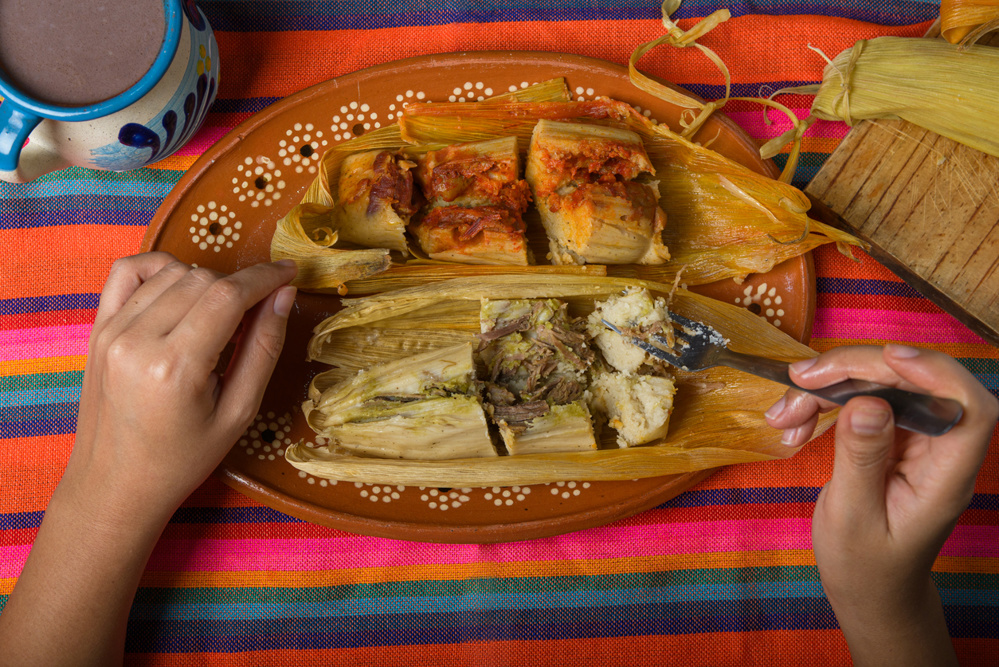
Few foods are more closely tied to San Antonio family traditions than tamales. Rooted in ancient Mesoamerican cooking, tamales have remained an important part of celebrations, holidays, and community gatherings for generations.
In San Antonio, tamale-making often becomes a family event known as a tamalada, where relatives gather to spread masa, prepare fillings, wrap corn husks, and cook large batches together. These gatherings are especially common during the Christmas season.
Tamales also became a major part of San Antonio’s public food culture through restaurants, bakeries, and street vendors. Their portability, affordability, and connection to family traditions helped make them one of the city’s defining comfort foods.
Today, San Antonio remains one of Texas’s best-known destinations for handmade tamales, with recipes ranging from pork and chicken to bean, jalapeño, and sweet dessert varieties.
Barbacoa Sundays and Family Food Traditions
Barbacoa holds a special place in San Antonio’s weekend food culture. Traditionally made by slow-cooking beef — often beef cheeks — until tender, barbacoa became closely associated with Sunday morning family meals.
Historically, some families prepared barbacoa in underground pits lined with agave leaves or slow-cooked it overnight for large gatherings. Over time, restaurants and neighborhood meat markets began selling barbacoa by the pound every weekend, making it a citywide tradition.
Many San Antonio residents still associate Sunday mornings with fresh tortillas, barbacoa tacos, Big Red soda, and breakfast shared with extended family. The tradition became so culturally significant that the city eventually embraced events celebrating barbacoa as part of San Antonio’s broader culinary heritage.
How Food History Helped San Antonio Earn UNESCO Recognition
In 2017, San Antonio became the first city in Texas designated as a UNESCO Creative City of Gastronomy. The recognition honored the city’s deep culinary history, multicultural influences, and long-standing food traditions.
San Antonio’s application highlighted thousands of years of agricultural history, Indigenous ingredients, Spanish mission influence, Mexican culinary traditions, German heritage, and evolving community food cultures. Rather than focusing only on fine dining, the designation celebrated how everyday foods reflect the city’s identity and cultural diversity.
Today, local chefs, restaurants, bakeries, farmers markets, and culinary programs continue preserving traditional recipes while introducing new interpretations of historic dishes. This balance between preservation and innovation remains central to San Antonio’s food scene.
Conclusion
San Antonio’s comfort foods tell the story of the people and cultures that built the city over centuries. Indigenous traditions, Spanish colonial influence, Mexican street food, German baking and sausage-making, and African American soul food all helped shape the flavors now associated with San Antonio.
From tamales and barbacoa to chili, pan dulce, and Tex-Mex classics, the city’s most beloved dishes represent more than comfort food. They reflect generations of migration, community, celebration, and cultural exchange that continue defining San Antonio today.