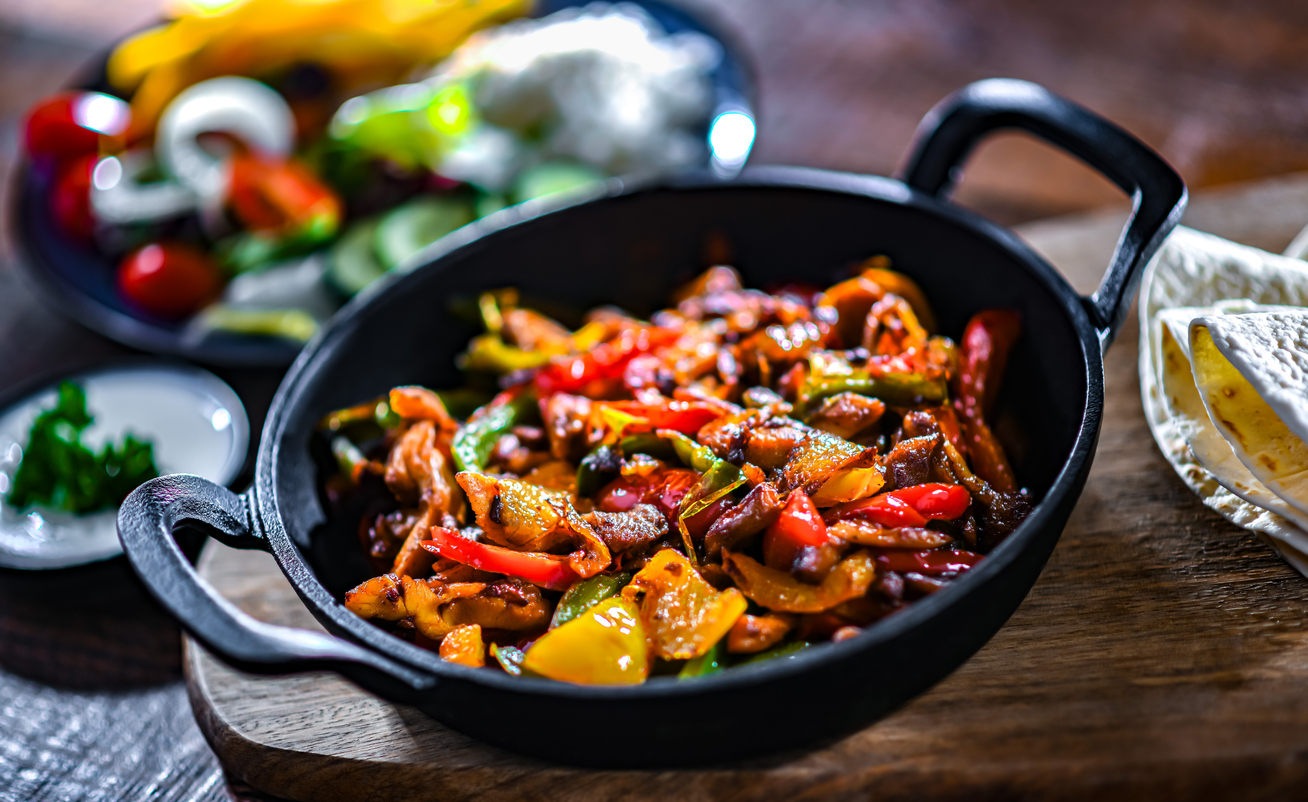
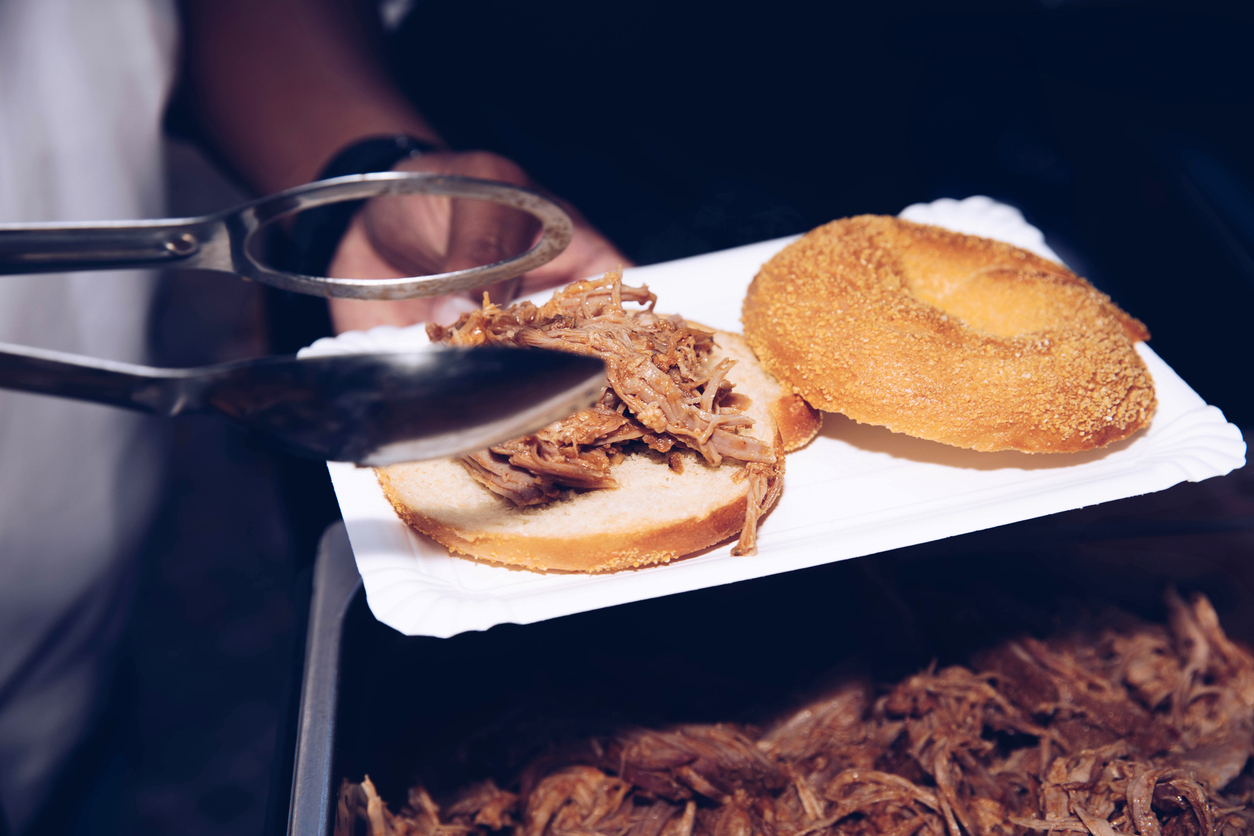
How Fusion Comfort Food Became a Staple of Pop Culture
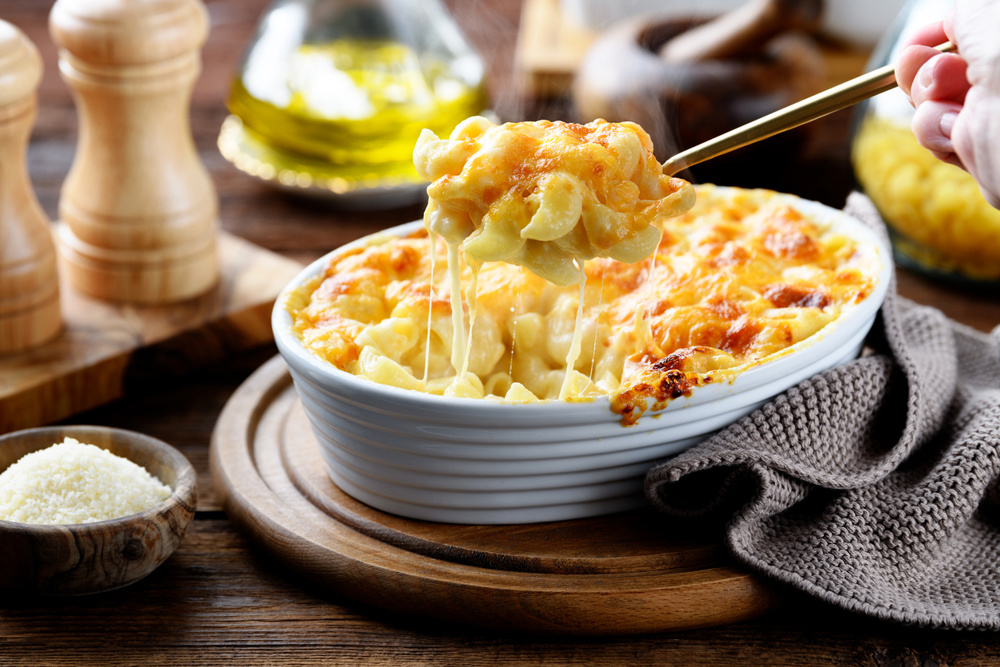
Fusion comfort food didn't become popular simply because it tasted good. It became a cultural phenomenon because it reflected the way people were increasingly living—between traditions, across borders, and connected to multiple influences at once. As migration, globalization, and technology brought cultures closer together, food naturally followed the same path.
What started as practical adaptations made by immigrant families gradually evolved into restaurant trends, viral social media content, and global fast-food strategies. Today, some of the world's most recognizable dishes are products of cultural blending, whether people realize it or not.
Why Fusion Comfort Food Crossed Every Cultural Boundary
Fusion comfort food succeeds because it balances familiarity with discovery. People are naturally drawn to foods that remind them of home, but they're also curious about new flavors and experiences. Fusion dishes satisfy both desires at the same time.
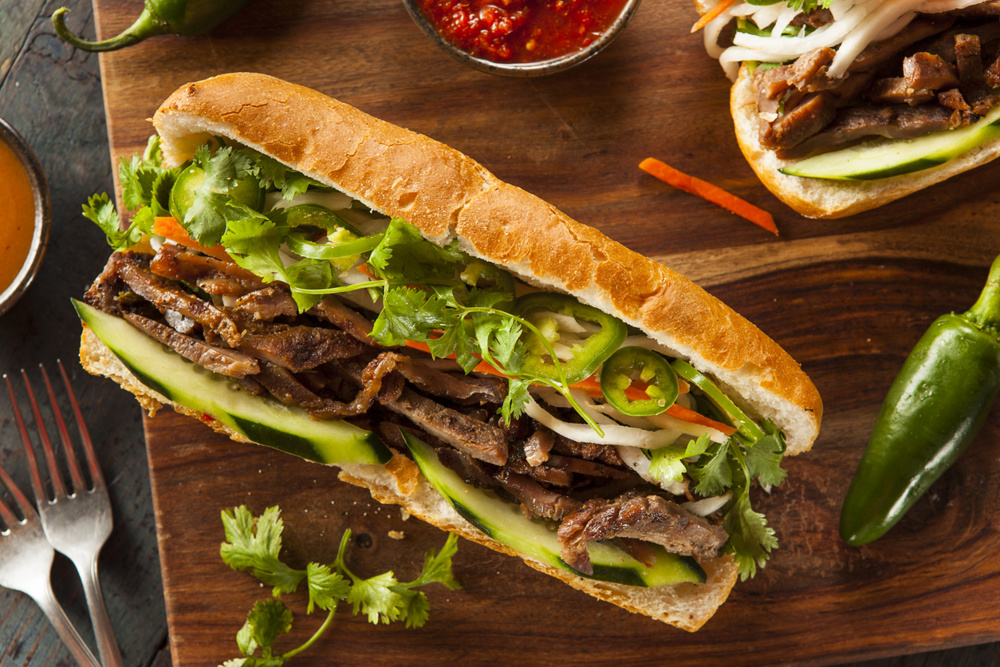
As migration increased throughout the modern era, communities carried recipes with them while adapting to local ingredients and tastes. Dishes like banh mi, Korean tacos, and Tex-Mex specialties emerged from these exchanges, blending traditions without abandoning their roots. What began as practical adaptations often became beloved local favorites.
Over time, these foods crossed cultural boundaries because they offered something recognizable to everyone. A familiar format paired with unexpected flavors made fusion cuisine approachable, helping it move from immigrant communities into mainstream dining culture.
Ancient Roots: How Fusion Comfort Food Began Before the Word Existed
Fusion comfort food didn't begin with food trucks or Instagram trends — it's a story that stretches back thousands of years, long before anyone had a word for it. Prehistoric recipes already show spice migration in action — crushed garlic mustard seeds appeared in Baltic dishes over 6,000 years ago. You can trace today's bold flavors through three ancient turning points:
- The Silk Road carried cinnamon, cardamom, and pepper into European and Middle Eastern kitchens
- Arabic traders introduced pasta to Sicily, reshaping Italian cuisine forever
- Colonial-era chili peppers transformed Indian curries from the outside in
Every time cultures collided through commerce, ingredients crossed borders and flavor traditions merged — naturally, organically, and permanently — long before fusion had a name. New World crops like tomatoes, potatoes, and maize crossed into European and Asian kitchens, permanently altering culinary traditions that had stood for centuries.
Much like the way transistor radio innovations in the 1960s signaled a flood of new products reshaping entire industries. The movement of spices and staple crops across borders permanently rewired how civilizations ate, cooked, and defined comfort.
How Immigration Built the Fusion Comfort Foods Americans Love Most
America's food culture has been shaped by successive waves of immigration, each bringing new ingredients, techniques, and traditions. Many foods now considered distinctly American began as adaptations created by newcomers trying to recreate familiar flavors in unfamiliar places. In the process, immigrant communities laid the foundation for what would eventually become fusion comfort food.
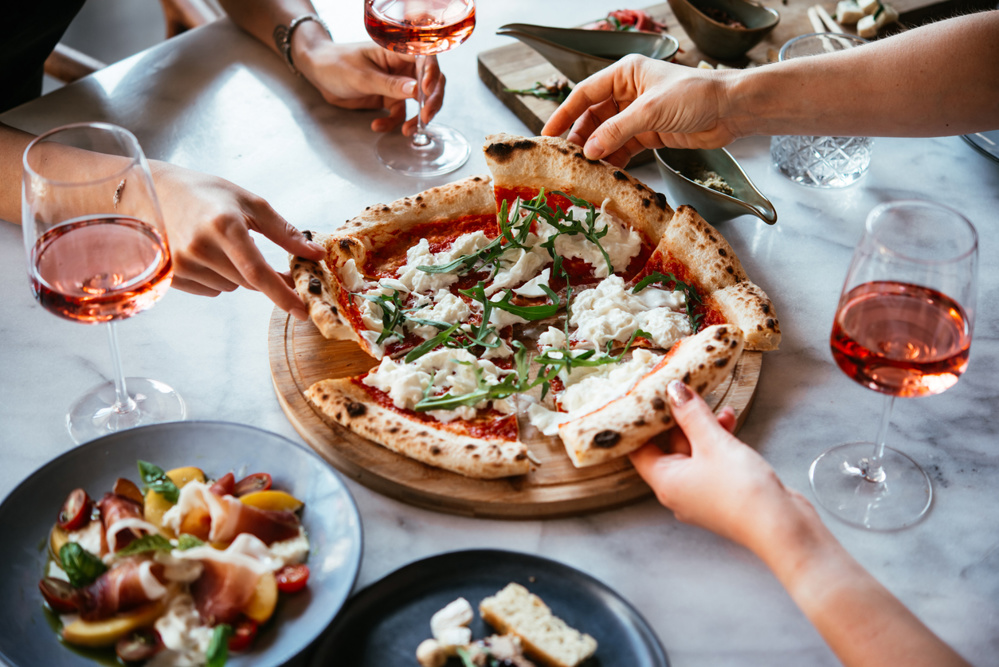
Italian immigrants helped popularize pizza, Jewish communities transformed bagels into a national breakfast staple, and Chinese immigrants developed dishes that evolved to suit local tastes. These foods didn't remain frozen in their original forms. They changed alongside the communities that embraced them, incorporating local ingredients, regional preferences, and entirely new ways of serving and preparing them.
As a result, many of America's most beloved comfort foods are actually examples of cultural blending. Their popularity reflects the broader story of a country built through the exchange of traditions and ideas. Long before fusion became a culinary buzzword, immigrant families were already proving that some of the most enduring foods are created when cultures meet and adapt together.
The Food Truck Revolution Changed Everything
The modern food truck movement gave fusion cuisine a new stage. Unlike traditional restaurants, food trucks allowed chefs to experiment with bold combinations without the financial risks associated with opening a full-scale establishment. This flexibility encouraged creativity and made food trucks ideal testing grounds for unconventional ideas.
Throughout the 2000s and 2010s, food trucks introduced dishes that blended cuisines in ways many diners had never seen before. Korean tacos, sushi burritos, globally inspired sandwiches, and mashups of regional comfort foods became staples of urban food scenes. Because trucks could move between neighborhoods, festivals, and business districts, they exposed diverse audiences to flavors they might not otherwise encounter.
Food trucks helped normalize culinary experimentation. What once seemed unusual quickly became exciting, helping fusion comfort food move from niche curiosity to mainstream dining trend. Many concepts that first gained attention from a truck window eventually inspired restaurants, chains, and home cooks, proving that some of the biggest food movements can start in surprisingly small spaces.
The Chefs Who Put Fusion Comfort Food on the Map
Chefs turned fusion comfort food from a culinary experiment into a cultural force. These modern pioneers didn't just mix ingredients — they built bridges between cultures with precision and cultural authenticity. Here are three chefs reshaping fusion comfort food:
- Mory Sacko blends West African heritage with French technique, using local ingredients to create subtle, authentic fusion.
- Norman Van Aken mapped Miami's fusion landscape, elevating South Florida flavors to world-class recognition.
- Ixta Belfrage merges English, Mexican, and Brazilian influences in her cookbook Fusão, treating every culture with genuine respect.
Their impact can be seen everywhere — from cookbook shelves to restaurant menus. They've proven that fusion isn't about erasing culinary identity. It's about honoring multiple traditions simultaneously. MICHELIN Guide Inspectors have recognized this shift, declaring neo-fusion restaurants definitely worth traveling for.
Check out MrPopCulture.com and learn more about pop culture trends in food fusions.
Iconic Fusion Comfort Dishes Everyone Recognizes
Some fusion dishes have become so familiar that many people no longer think of them as fusion at all. Over time, these foods have blended seamlessly into everyday eating habits, becoming staples in restaurants, food courts, and home kitchens alike. Their widespread popularity shows how quickly culinary innovations can become part of mainstream culture.
Examples range from Mexican-inspired lasagna and Korean tacos to butter chicken pizza and sushi burritos. Each combines ingredients, techniques, or formats from multiple traditions while remaining approachable and comforting. These dishes succeed because they build on foods people already know, introducing new flavors through familiar formats that feel less intimidating.
The popularity of these dishes demonstrates how quickly cultural blending can become normalized. Once unusual combinations can become everyday favorites within a generation. Many of today's most recognizable fusion foods have become so common that their multicultural origins often go unnoticed, highlighting just how deeply fusion cuisine has embedded itself in modern dining.
Why Do Fusion Comfort Foods Feel Both Familiar and New?
Part of fusion cuisine's appeal comes from how the human brain processes food. Familiar ingredients trigger feelings of comfort and nostalgia, while new flavors create excitement and curiosity. Fusion dishes occupy a unique space where those emotions can exist simultaneously.
A taco filled with Korean barbecue, for example, introduces unfamiliar flavors through a format many people already recognize. Likewise, a pizza topped with butter chicken or a sushi burrito wrapped for portability feels approachable because part of the experience is already familiar. The brain can focus on exploring new tastes without feeling completely disconnected from what it already knows.
That psychological combination helps explain why fusion comfort foods spread so quickly. They offer adventure without uncertainty, making them especially appealing in an increasingly connected world. By balancing novelty and familiarity, fusion cuisine creates experiences that feel both exciting and reassuring at the same time.
How Fusion Comfort Food Went From Street Carts to Fine Dining
Many fusion concepts first gained popularity through informal food settings rather than upscale restaurants. Street vendors and small food businesses often had greater freedom to experiment than established dining institutions, which were usually expected to follow more traditional culinary standards. This made streets, markets, and food stalls fertile ground for innovation.
As these dishes attracted loyal followings, chefs began introducing similar ideas into more refined settings. Korean tacos, Indo-Chinese specialties, and globally inspired comfort foods gradually appeared on restaurant menus that once focused on clearly defined culinary categories. Diners who embraced these flavors in casual settings became eager to see how chefs would reinterpret them in more sophisticated environments.
This transition helped legitimize fusion cuisine in the eyes of critics and diners. The same dishes that began on sidewalks and food trucks eventually found a place in some of the world's most respected dining establishments. Their journey reflects how culinary innovation often starts at the grassroots level before influencing the broader restaurant industry.
How Did Social Media Turn Fusion Comfort Food Into a Cultural Moment?
Social media accelerated fusion cuisine's rise in ways previous generations could never have imagined. Platforms built around visual content rewarded foods that were colorful, creative, and instantly recognizable. Fusion dishes often checked every box, making them ideal candidates for sharing and discovery.
Viral trends such as Dalgona coffee, ramen hacks, and globally inspired comfort foods spread rapidly across TikTok, Instagram, and YouTube. A dish created in one city could inspire home cooks on the other side of the world within days. Food creators and influencers amplified this effect by constantly introducing audiences to new combinations and cultural influences.
The result was a new kind of food culture where trends moved faster than ever before. Social media transformed fusion comfort food from a restaurant phenomenon into a global cultural conversation. What once required travel or word of mouth could now spread through a single viral post, giving fusion cuisine unprecedented visibility.
Why Fusion Comfort Food Became a Pop Culture Symbol
Fusion comfort food became more than a culinary trend because it reflected broader cultural changes. Increasingly diverse communities, global travel, and digital connectivity made cultural blending part of everyday life. Food naturally became one of the most visible ways those changes expressed themselves.
Fusion dishes represented openness, curiosity, and the idea that identities could be layered rather than singular. For many people, these foods mirrored their own experiences of living between cultures, traditions, or generations. Eating fusion cuisine became about more than flavor—it became a reflection of how people understood themselves and the world around them.
As a result, fusion comfort food became a symbol of contemporary culture itself. The dishes people shared online often reflected the same interconnected world they experienced offline. In many ways, fusion cuisine's popularity reveals how cultural exchange has become one of the defining characteristics of modern life.
How Global Fast Food Chains Adapted Fusion Comfort Food for Local Tastes
Global restaurant chains quickly recognized the power of combining familiar brands with local flavors. Rather than offering identical menus everywhere, companies began adapting products to reflect regional tastes, traditions, and dining habits. This approach helped international brands feel more relevant within diverse markets.
McDonald's, KFC, Taco Bell, and Starbucks all developed localized menu items that blended international branding with local culinary preferences. Customers could enjoy products that felt both globally recognizable and culturally familiar, whether through region-specific sauces, ingredients, or entirely unique menu offerings. These adaptations reflected a growing understanding that food is deeply tied to local identity.
The strategy proved remarkably successful. By making foreign brands feel familiar, companies used the same principles that had already made fusion comfort food popular around the world. Their success demonstrated that cultural adaptation wasn't just a culinary trend—it had become a powerful business strategy as well.
Where Fusion Comfort Food Is Headed Next
The next wave of fusion comfort food isn't just about mixing cuisines — it's about meaning. You'll see chefs moving beyond novelty toward dishes that carry cultural authenticity, environmental responsibility, and tech driven creativity. Here's what's shaping the future:
- Local sourcing replaces exotic imports, connecting you directly to regional flavors and sustainable practices.
- AI-assisted innovation helps chefs craft culturally informed pairings rather than random combinations.
- Gen Z and Millennial demand pushes bold flavors — Middle Eastern spices, Korean BBQ, Caribbean heat — into everyday comfort food.
Ghost kitchens will keep fusion accessible through delivery apps, while rotating specials create urgency and discovery. Beyond 2026, authenticity wins. You won't just eat fusion — you'll experience the story behind every bite. Food waste produces 3.3 gigatons of CO₂ equivalent emissions annually, pushing fusion comfort food kitchens to embrace zero-waste cooking as a core practice rather than an afterthought.
Conclusion
Fusion comfort food became a pop culture staple because it tells a story that millions of people recognize. Behind every Korean taco, sushi burrito, butter chicken pizza, or viral food trend is a history of migration, adaptation, and cultural exchange.
These dishes resonate because they combine the familiarity people crave with the discovery they seek, creating foods that feel both personal and universal at the same time. As cultures continue to connect through travel, technology, and social media, fusion cuisine will keep evolving alongside them.