A Year-Round Texas Brisket Calendar for Food Lovers
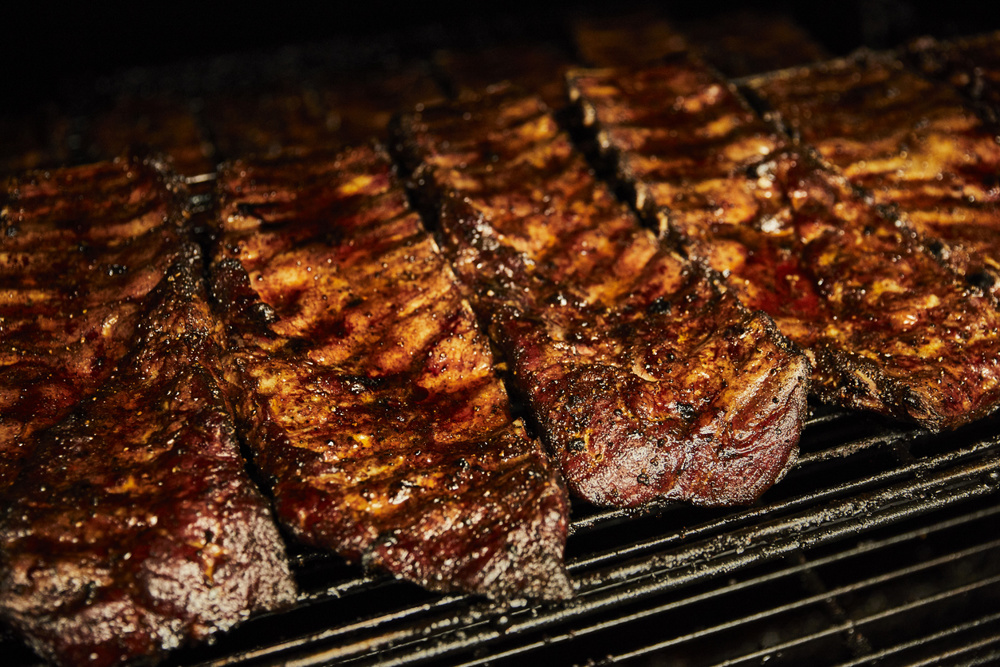
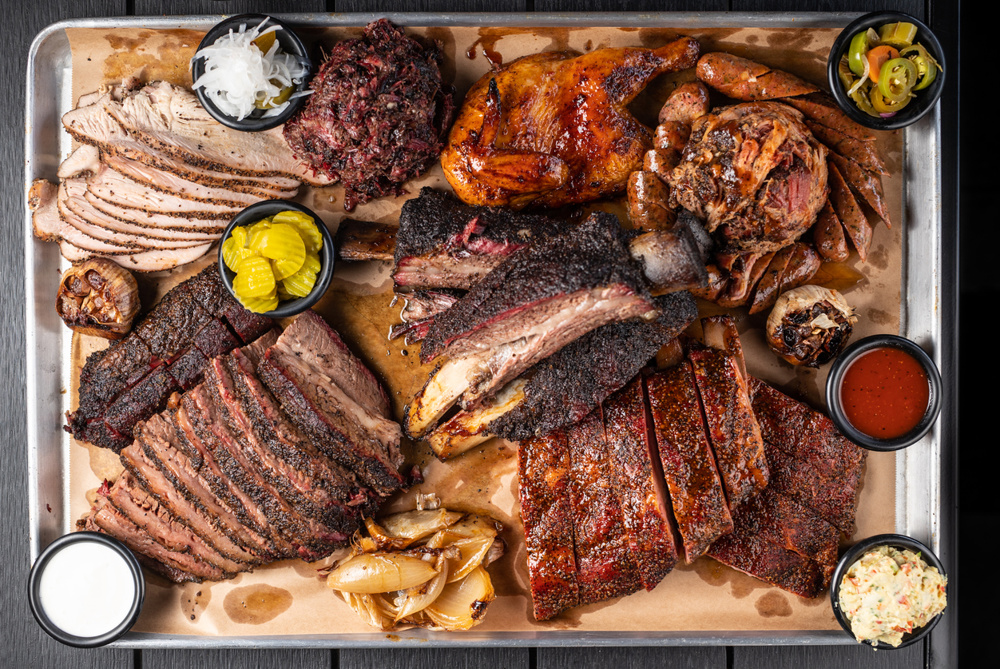
Texas brisket isn't just a weekend project—it's a year-round tradition that shapes how people cook, celebrate, and gather together. From holiday feasts and football tailgates to spring road trips and summer cookouts, brisket plays a role in nearly every season of Texas life. The techniques may stay largely the same, but the occasions, traditions, and experiences surrounding brisket constantly change throughout the year.
For barbecue enthusiasts, every season presents a new opportunity to refine skills, explore famous smokehouses, and experiment with different approaches to cooking. Whether you're tending a smoker in the middle of winter or serving sliced brisket at a Fourth of July gathering, there's always another cook on the horizon.
Why Texas Brisket Is a Year-Round Cooking Tradition
Texas brisket is more than a popular barbecue dish—it's a tradition woven into everyday life across the state. Families serve it at reunions, churches feature it at community gatherings, and restaurants build their reputations around perfecting it. Few foods maintain such a strong presence throughout the entire year.
The tradition dates back to the nineteenth century, when immigrant communities and cattle-rich Texas landscapes helped establish brisket as a practical and affordable cut of meat. Over time, smoking techniques evolved, transforming brisket from a tough working-class cut into one of the most celebrated foods in the state.
What keeps brisket relevant year-round is its versatility. It fits equally well at casual backyard cookouts, major holidays, and special celebrations. No matter the season, brisket provides a reason to gather around food, fire, and shared traditions.
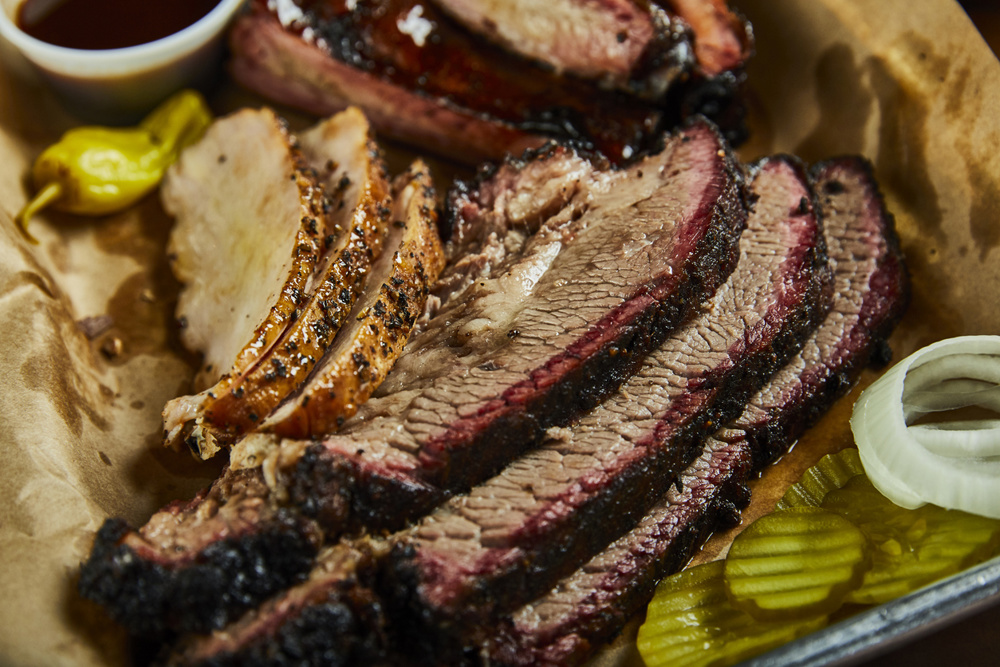
How to Pick and Age a Brisket Worth Smoking
Every great brisket cook begins long before the smoker is lit. Choosing the right cut can have a significant impact on tenderness, flavor, and the overall cooking experience. Experienced pitmasters often spend as much time selecting brisket as they do seasoning it.
Most Texas barbecue enthusiasts look for briskets with strong marbling, a flexible feel, and a thick, evenly shaped flat. Prime and Choice grades are generally preferred because their higher fat content helps keep the meat moist during long cooks. A well-balanced brisket gives you the best chance of producing consistent results.
Some cooks also use aging techniques to improve flavor and tenderness. Wet aging in vacuum-sealed packaging allows natural enzymes to break down muscle fibers over time, creating a richer final product. Starting with a quality brisket sets the stage for everything that follows.
The Texas Brisket Method: Salt, Pepper, and Smoke
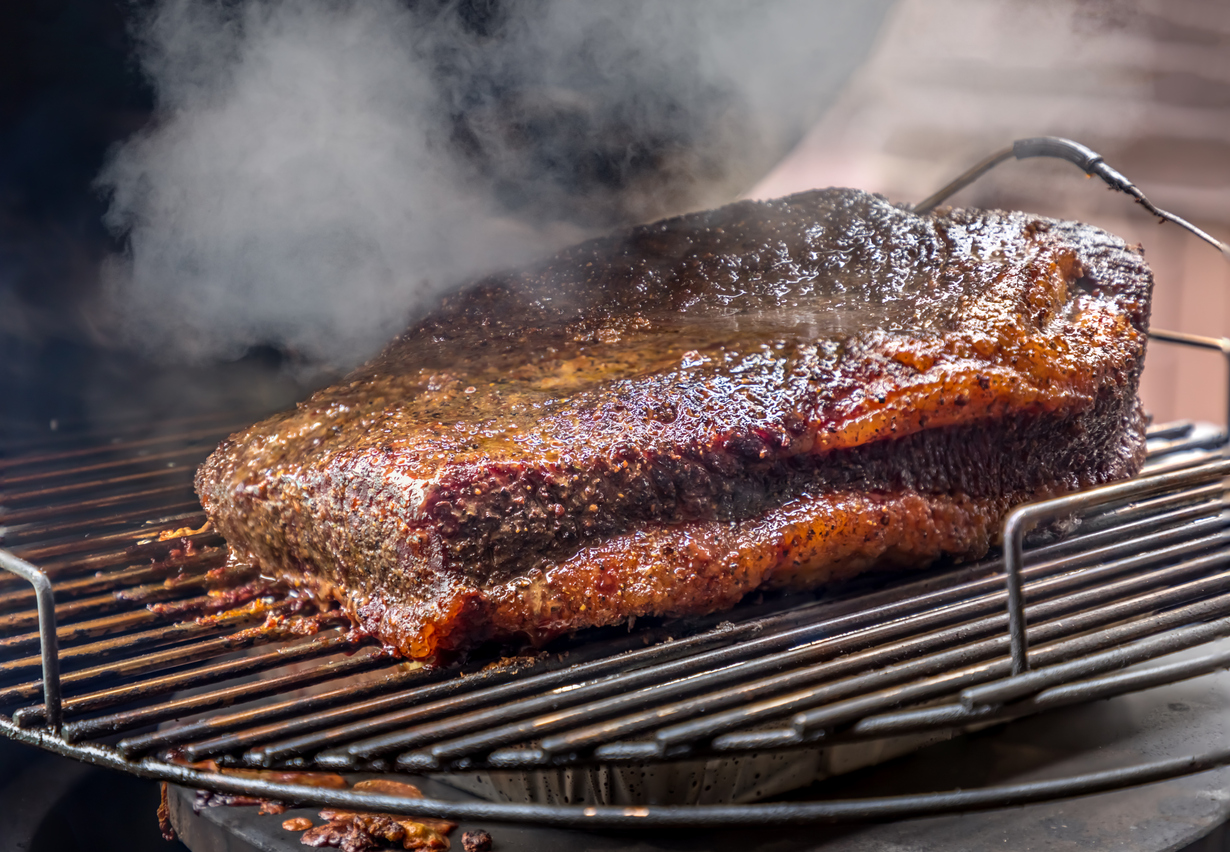
Despite countless barbecue variations, traditional Texas brisket remains remarkably simple. The classic formula relies on three essential elements: salt, pepper, and smoke. Rather than hiding the flavor of the beef, the goal is to enhance it.
Over generations, pitmasters refined a minimalist approach that emphasized quality ingredients and careful technique. A simple rub of coarse black pepper and kosher salt became the standard throughout Central Texas, allowing smoke and beef flavor to remain the focus. Combined with low temperatures and patient cooking, the method produced the style that defines Texas barbecue today.
Part of the method's appeal is its accessibility. While mastering brisket takes practice, the basic principles remain straightforward. The simplicity of Texas barbecue allows cooks to focus on consistency, fire management, and patience rather than complicated seasoning blends.
Low-and-Slow vs. Hot-and-Fast: Which Works for You?
Mastering the salt-pepper-smoke method gives you a rock-solid foundation, but your next big decision is choosing your cooking speed. Both approaches deliver distinct smoke profiles and serious time tradeoffs.
Low-and-Slow (225°F–275°F):
- Takes 12+ hours but converts collagen into gelatin for melt-in-mouth tenderness
- Best for full packer briskets and collagen-heavy cuts
Hot-and-Fast (350°F–450°F):
- Finishes brisket in 4–6 hours, cutting time nearly in half
- Builds a bolder, punchier bark through intense surface heat
- Requires a 45-minute to 2-hour cooler rest for juice redistribution
Neither method produces a noticeable flavor difference, but hot-and-fast wins on bark while low-and-slow dominates tenderness. Your schedule and brisket size ultimately drive the decision. The cut of meat remains the single most important factor when determining which method will deliver the results you want.
Spring: The Best Time to Explore the Texas BBQ Trail
As temperatures become more comfortable, spring offers some of the best opportunities to explore Texas barbecue country. Many barbecue fans use the season to visit legendary smokehouses and experience regional styles firsthand.
Towns such as Lockhart, Taylor, Elgin, and Luling attract visitors eager to compare different approaches to brisket. Road trips become easier during the mild weather, allowing enthusiasts to sample multiple restaurants in a single weekend. These visits often inspire new techniques and ideas for home cooks.
For many barbecue lovers, spring serves as the unofficial start of brisket season. Exploring the state's barbecue heritage helps connect modern cooks to the traditions that made Texas brisket famous in the first place.
Design your own brisket calendar to share important dates with friends or your community.
How to Prep Your Smoker for Peak Texas Brisket Season
A reliable smoker is one of the most valuable tools a brisket cook can own. Preparing it properly before peak cooking season helps ensure consistent temperatures and predictable results throughout the year.
Routine maintenance includes cleaning cooking grates, removing accumulated ash, inspecting seals, and checking airflow systems. These simple tasks improve efficiency while reducing the likelihood of temperature fluctuations during long cooks. Many pitmasters perform a thorough inspection before the busiest barbecue months begin.
Proper preparation also builds confidence. Knowing your smoker is functioning correctly allows you to focus on the cook itself rather than troubleshooting equipment problems halfway through a brisket session.
How to Manage the Stall, Wrap, and Finish Your Brisket
As your brisket climbs toward 165°F, you'll hit the stall—a frustrating but completely normal plateau caused by evaporative cooling on the meat's surface. It can last up to six hours, so moisture management becomes critical.
Your wrapping choice shapes the final result:
- Foil (Texas Crutch): Locks in moisture, exits stall fastest, softens bark
- Butcher paper (foil alternative): Breathable, preserves firmer bark and smoke ring
- Boat method: Top open, edges foiled—maximizes bark while retaining moisture
- No wrap: Crunchiest bark, longest stall, highest drying risk
- Re-crisp option: Unwrap at 203°F, return to 225°F to firm softened bark
After hitting 203°F, rest your brisket wrapped in a cooler for at least two hours before slicing. Rather than relying on time alone, check your internal temperature every 30 minutes after wrapping to stay on top of the cook and avoid overcooking.
Summer: Peak Brisket Season for Backyard Gatherings
Summer is when brisket takes center stage in many Texas backyards. Longer days, holiday weekends, and outdoor gatherings create ideal conditions for firing up the smoker and feeding large groups of family and friends. Across the state, the smell of post oak smoke becomes a familiar part of summer as pitmasters settle into some of the busiest cooking months of the year.
Events such as Memorial Day, Independence Day, and neighborhood cookouts often revolve around barbecue. Brisket's ability to serve a crowd makes it a natural choice for these occasions, especially when families and friends gather for all-day celebrations. The long cooking process becomes part of the experience itself, giving people time to socialize, play games, and enjoy the anticipation that builds while the brisket slowly cooks.
For many Texans, summer represents the peak of brisket culture. The combination of warm weather, outdoor celebrations, and shared meals reinforces barbecue's role as a centerpiece of community life. Whether it's a family reunion, a holiday gathering, or a simple weekend cookout, brisket remains one of the foods most closely associated with the season.
How Cold Weather Changes Your Texas Brisket Cook
Cold weather throws a wrench into every part of your Texas brisket cook. Your grill burns through fuel faster, stabilizes harder, and drops temperature unpredictably. Before you light anything, prioritize charcoal stocking—you'll burn markedly more than usual to maintain consistent heat.
Keep your vents more open than normal to prevent the fire from snuffing out. Hitting 325°F stays manageable, but lower smoking temps around 225°F risk extinguishing your fire entirely. Set your smoker slightly higher to compensate.
Place a liquid-loaded drip pan in the middle to regulate temperature and add moisture. Cold air accelerates evaporative cooling, so baste every 30 minutes. Expect extended cook times—a 7-pound brisket flat that typically takes eight hours may need finishing in the oven to reach 205°F. Try adding dry wood chips to a sluggish fire to quickly revive dying coals and restore heat.
Fall: Football, Tailgates, and Smoked Brisket
Few foods pair more naturally with Texas football culture than brisket. As temperatures begin to cool and football season returns, smokers across the state become active once again. From high school stadiums to college campuses and NFL parking lots, barbecue becomes an essential part of the game-day experience.
Tailgates, watch parties, and weekend gatherings provide countless opportunities to serve brisket. Because it can be cooked ahead of time and held for hours without losing quality, it fits perfectly into football schedules. Fans can spend the morning tending the smoker, then enjoy the results while watching games with friends and family throughout the afternoon and evening.
The connection between football and barbecue has become a tradition in its own right. Both bring people together around shared experiences, friendly rivalries, and community pride. During the fall months, brisket serves as more than just a meal—it becomes part of the ritual that makes football season such an important part of Texas culture.
The BBQ Holidays Every Texas Brisket Cook Should Know
Mastering cold-weather cooks keeps your brisket on point year-round, but some days on the calendar deserve extra attention. Texas BBQ culture runs deep during key seasons, and knowing when to fire up the smoker matters. Mark these dates on your Texas brisket calendar:
- Thanksgiving – Slow-smoke your holiday brisket over oak or mesquite alongside festive sides
- Christmas – Holiday catering options launch November 1, so plan early
- BBQ Trail Season – Hit Taylor, Elgin, Luling, and Lockhart for regional inspiration
- Franklin Barbecue Visits – Respect BBQ etiquette; long waits are part of the tradition
- Road Trip Weekends – Tour multiple joints, since some close by 2:00 PM
These moments shape your brisket journey beyond your backyard smoker. For larger holiday gatherings, full-service barbeque catering can take the stress out of meal prep and keep the focus on time spent with loved ones.
How to Slice, Rest, and Serve Texas Brisket Properly
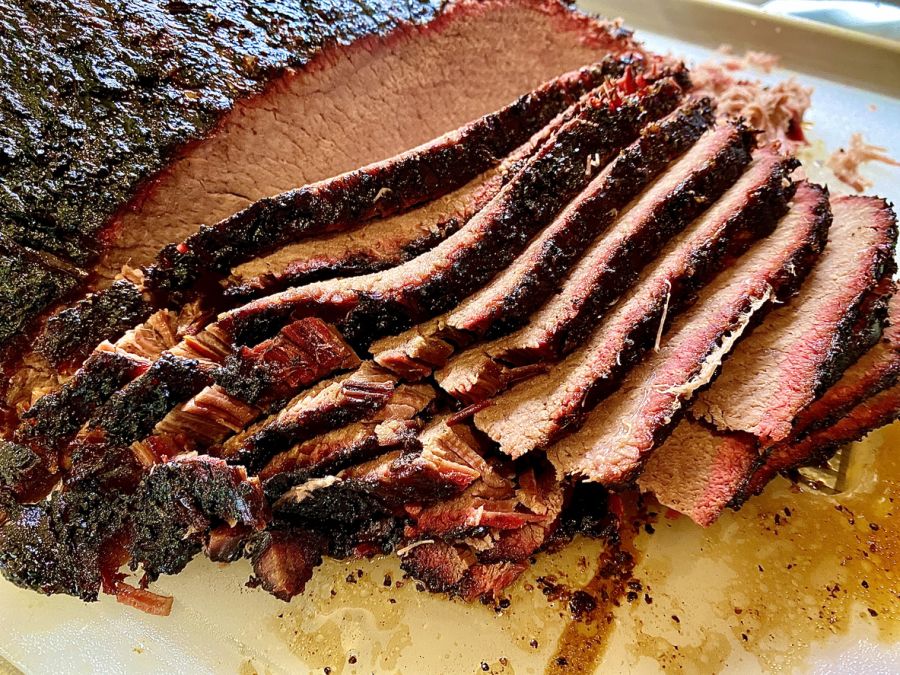
After hours of tending your smoker, how you handle the brisket in those final steps determines whether all that effort pays off. Rest timing matters enormously — let your brisket rest 20-30 minutes so juices redistribute and the meat firms into clean, sliceable texture without squeezing moisture out when cut.
Before slicing, examine the bottom non-fatty side to identify grain direction. Remember, the grain shifts between the flat and point, so you'll need to adjust your approach. Knife maintenance is equally critical — a sharp blade lets you pull long, smooth strokes that keep slices even at 1/4 to 1/2-inch thick.
Separate the point, rotate it 90 degrees, and slice against the grain. Serve immediately, balancing lean flat slices with richer point portions on each plate. Slicing with the grain leaves muscle fibers intact, producing a tough, stringy texture that no amount of skilled smoking can overcome.
Conclusion
Texas brisket is more than a recipe—it's a year-round tradition that changes with the seasons while remaining deeply rooted in Texas culture. From spring barbecue road trips and summer cookouts to fall football gatherings and winter smoke sessions, every part of the calendar offers a new way to enjoy and appreciate this iconic dish.
The beauty of a brisket calendar is that there's always another cook to look forward to. Each season brings new challenges, celebrations, and opportunities to refine your craft, whether you're smoking your first brisket or your hundredth. As long as Texans keep tending fires, sharing meals, and passing down barbecue traditions, brisket will continue to connect generations of food lovers throughout the year.