Interesting Facts About Texas Brisket You Probably Never Knew
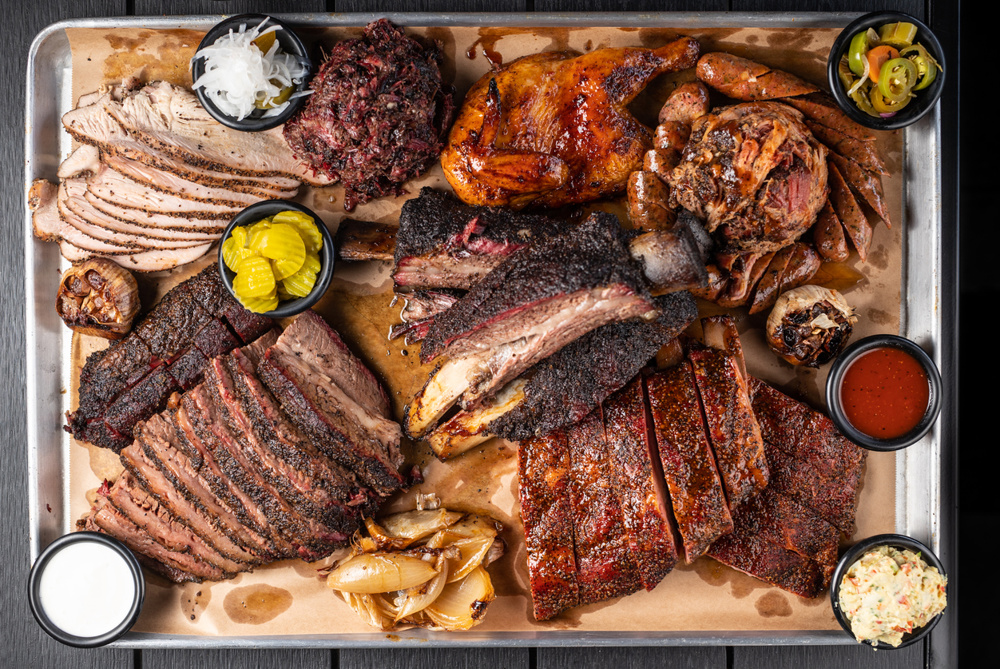
Texas brisket is more than just a barbecue dish—it's a culinary tradition that has become one of the most recognizable symbols of Texas food culture. Slow-smoked for hours over wood fires, brisket has evolved from an inexpensive cut of beef into a centerpiece of American barbecue. While many people enjoy eating it, far fewer know the fascinating history, techniques, and traditions behind this iconic dish.
What makes Texas brisket especially interesting is how much craftsmanship goes into its preparation. From selecting the right cut of meat to managing a smoker through an overnight cook, pitmasters often spend years perfecting their methods. Along the way, a number of surprising facts have emerged that reveal just how unique Texas brisket truly is.
Brisket Was Once Considered an Undesirable Cut
Long before it became the centerpiece of Texas barbecue, brisket was viewed as a tough and inexpensive cut of beef. Because it comes from the cow's chest muscles, an area that supports much of the animal's weight, the meat contains significant connective tissue and was often overlooked in favor of naturally tender cuts. For many years, it was considered a practical choice rather than a prized one.
Everything changed when Texas pitmasters discovered the transformative power of low-and-slow cooking. By smoking brisket for long periods at carefully controlled temperatures, they were able to break down the tough connective tissue and create meat that was exceptionally tender and flavorful. What had once been regarded as a challenging cut gradually became one of the most respected items in barbecue.
Its rise from bargain meat to culinary icon remains one of the most fascinating stories in American food culture. Today, brisket is often considered the ultimate test of barbecue skill, a remarkable turnaround for a cut that was once largely ignored.
Central Texas Barbecue Shaped Modern Brisket
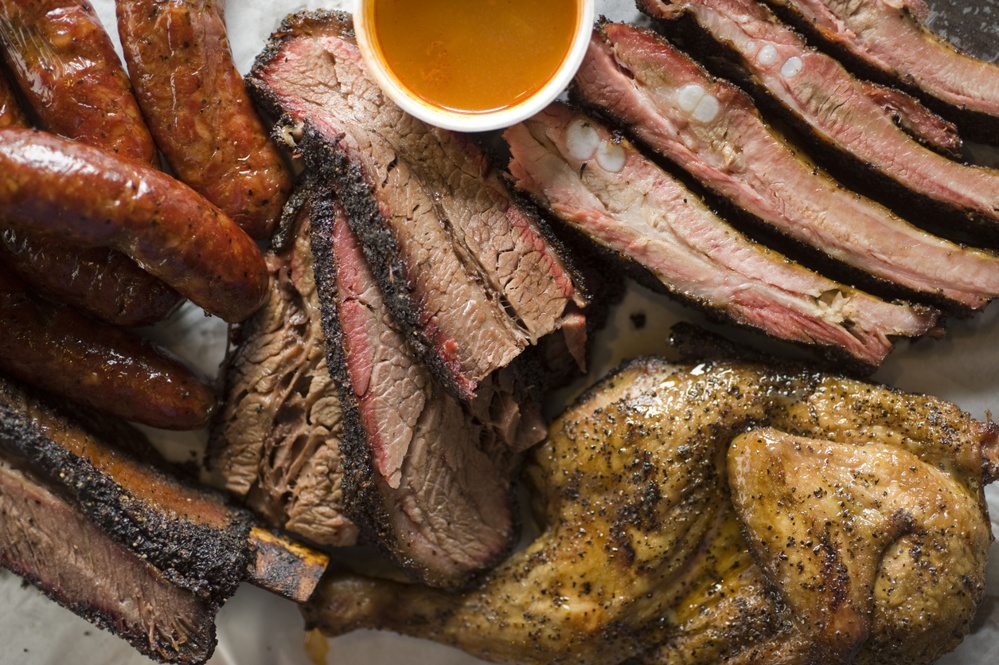
Although brisket is closely associated with Texas as a whole, the style most people recognize today has its roots in Central Texas. German and Czech immigrants who settled in the region during the nineteenth century brought traditions of meat preparation and smoking that would eventually influence generations of pitmasters.
Their approach emphasized simplicity and quality. Rather than relying on elaborate sauces or heavily seasoned marinades, they focused on good beef, hardwood smoke, and patience. This philosophy allowed the natural flavor of the meat to remain the centerpiece of the meal and helped establish a barbecue style that valued technique over complexity.
Many of the methods used in modern smokehouses can be traced directly to these early traditions. The influence of Central Texas barbecue remains visible in everything from seasoning choices to cooking methods, making it one of the most important regional styles in American barbecue history.
The Famous Bark Is Highly Prized
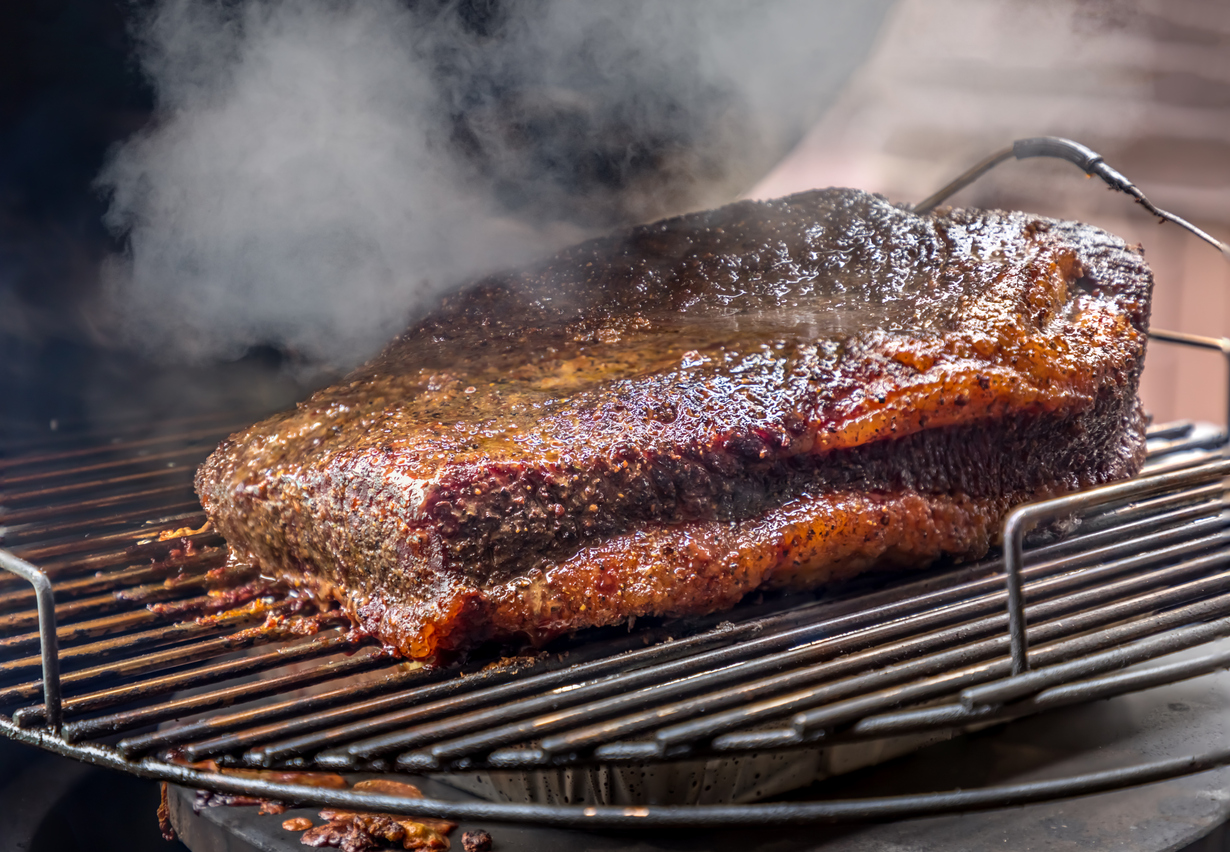
Among barbecue enthusiasts, few parts of a brisket receive more attention than the bark. This dark, flavorful crust forms on the exterior of the meat during the smoking process and is often considered one of the most desirable elements of a finished brisket.
The bark develops through a combination of smoke exposure, seasoning, rendered fat, and a series of chemical reactions that occur as the meat cooks over many hours. Achieving the right texture requires careful control of temperature, airflow, and moisture levels throughout the cook. Too little bark can leave the brisket lacking character, while too much can affect tenderness.
A properly developed bark adds both texture and concentrated flavor to every slice. For many barbecue fans, it serves as a visible sign of craftsmanship and is often one of the first qualities they evaluate when judging a brisket.
Texas Brisket Traditionally Uses Simple Seasoning
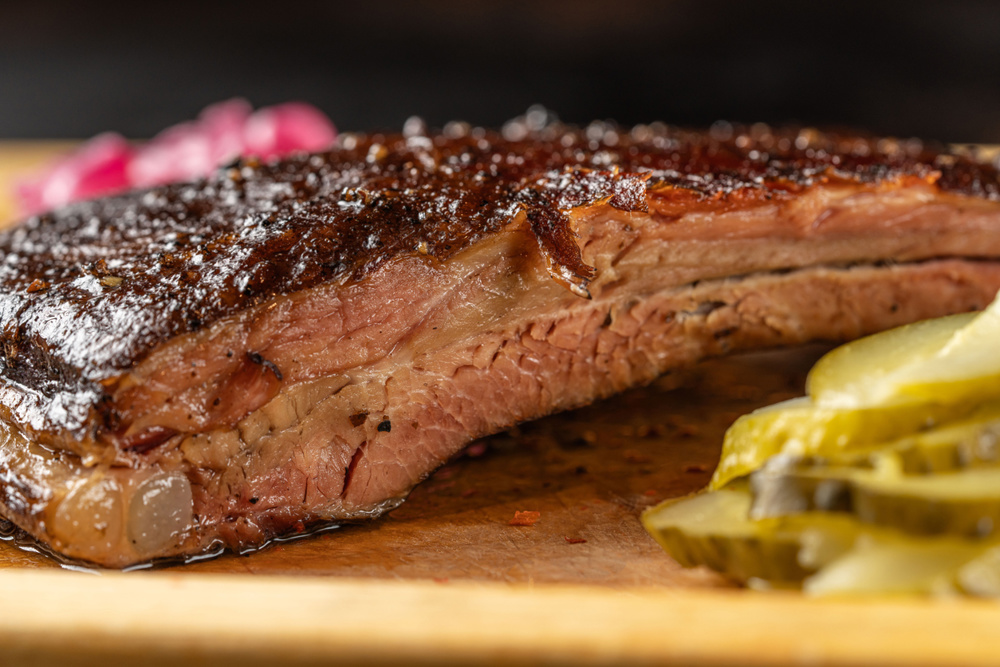
One of the most surprising aspects of traditional Texas brisket is how little seasoning is typically used. While many barbecue styles rely on complex spice blends, classic Texas brisket is often prepared with nothing more than coarse salt and black pepper.
This minimalist approach reflects a belief that high-quality beef should remain the star of the plate. Rather than covering the meat's natural flavor, the seasoning is intended to enhance it while allowing the smoke and cooking process to provide additional depth. The result is a style of barbecue that appears simple but demands tremendous skill to execute properly.
Because there are so few ingredients involved, every decision becomes important. The quality of the meat, the consistency of the fire, the choice of wood, and the pitmaster's technique all play major roles in the final result, making Texas brisket one of barbecue's purest expressions of craftsmanship.
A Whole Brisket Contains Two Different Muscles
Many people are surprised to learn that a full brisket is actually made up of two separate muscles that cook quite differently. The larger section, known as the flat, is leaner and more uniform in shape, while the point contains significantly more fat and connective tissue. Together, they create the distinctive combination of textures that makes brisket so unique.
The flat is the portion most commonly sliced and served on traditional barbecue plates. Its consistent shape makes it easier to carve, and when cooked properly, it delivers tender slices with a rich beef flavor. The point, on the other hand, is prized for its extra marbling, which creates a softer texture and deeper richness. Many barbecue enthusiasts consider it the most flavorful part of the brisket.
Successfully cooking both muscles at the same time is one of the challenges that makes brisket such a respected barbecue cut. Pitmasters must carefully manage temperature and timing to ensure that each section reaches its ideal level of tenderness without sacrificing quality.
Stir up your curiosity with more surprising facts about Texas briskets.
Smoking a Brisket Can Take More Than 12 Hours
Patience is one of the most important ingredients in Texas brisket. Depending on the size of the cut and the cooking method being used, a brisket may spend anywhere from 10 to 18 hours in a smoker before it is ready to serve. Some pitmasters even begin their cooking late at night so the meat will be ready the following day.
During those long hours, maintaining consistent conditions becomes a constant challenge. Temperature fluctuations, weather changes, airflow, and fuel management all influence the final result. Even experienced pitmasters must continually monitor their smokers and make adjustments throughout the cooking process.
The extended cooking time is what allows the brisket to transform from a tough cut into something exceptionally tender. Slowly breaking down connective tissue while building layers of smoky flavor is a process that simply cannot be rushed, which is why great brisket is often viewed as a true labor of love.
The Smoke Ring Is Not a Measure of Quality
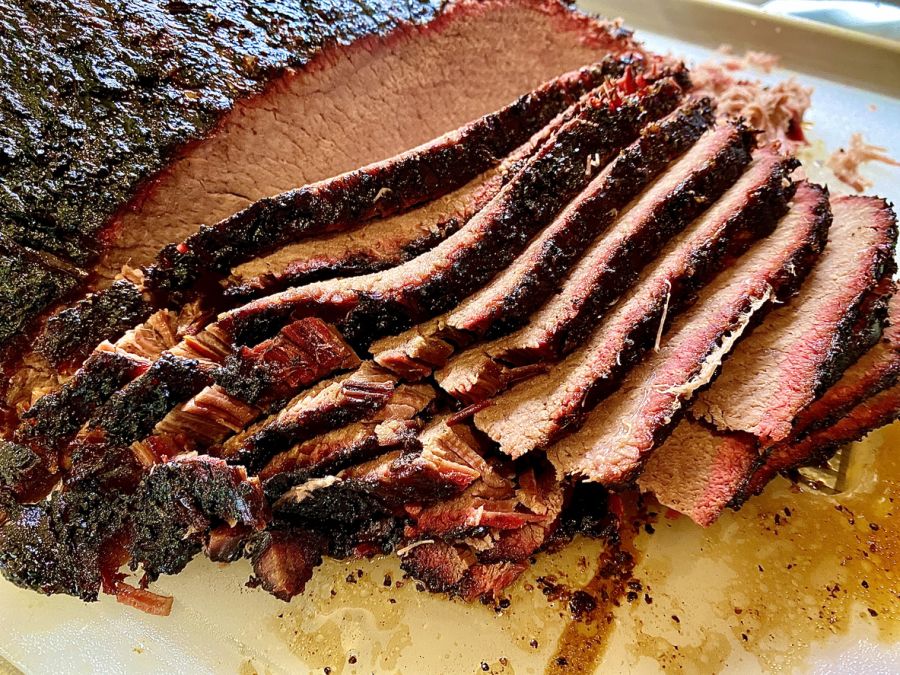
One of the most recognizable features of smoked brisket is the pink layer just beneath the surface known as the smoke ring. Because it is visually striking, many people assume it is a sign of superior barbecue. In reality, the smoke ring is largely cosmetic and does not necessarily indicate how good the brisket tastes.
The ring forms through a chemical reaction between smoke compounds and proteins in the meat during the cooking process. Its appearance can be affected by factors such as cooking temperature, moisture levels, fuel sources, and even the type of smoker being used. As a result, two equally delicious briskets can have very different smoke rings.
Experienced pitmasters generally focus on qualities that matter more to the eating experience. Flavor, tenderness, moisture retention, and bark development are far more important indicators of a well-cooked brisket than the size or visibility of the smoke ring.
Texas Brisket Became a Global Phenomenon
What began as a regional Texas specialty has evolved into an international barbecue sensation. Today, Texas-style brisket can be found in restaurants across Australia, Japan, the United Kingdom, Brazil, and many other countries, reflecting the growing worldwide appreciation for American barbecue traditions.
Pitmasters from around the globe frequently travel to Texas to learn traditional techniques, study under respected barbecue experts, and experience legendary smokehouses firsthand. Many then adapt those methods to local ingredients and regional tastes, creating unique interpretations while preserving the fundamentals of Texas barbecue.
The global popularity of brisket speaks to the universal appeal of slow-cooked food prepared with care and craftsmanship. Regardless of language or culture, people appreciate the combination of rich flavor, tender texture, and the dedication required to create great barbecue.
Pitmasters Often Cook Overnight
Creating great Texas brisket often begins long before customers arrive at a barbecue restaurant. Because brisket requires such lengthy cooking times, many pitmasters start their smokers late in the evening and tend the fire throughout the night. While most people are sleeping, they are monitoring temperatures, adding wood, and making small adjustments to ensure the meat cooks properly.
This overnight process has become one of the defining traditions of Texas barbecue. Maintaining a consistent fire for hours requires experience, patience, and constant attention. Weather conditions, airflow, and fuel management can all affect the final result, meaning pitmasters must remain attentive throughout the cook. Even a small mistake can influence the texture and flavor of the finished brisket.
The commitment involved helps explain why brisket is held in such high regard within barbecue culture. Producing a truly exceptional brisket requires more than following a recipe—it demands dedication, skill, and a willingness to invest an entire night into perfecting a single piece of meat.
Why Texas Brisket Continues to Fascinate People
Texas brisket occupies a unique place in food culture because it combines remarkable simplicity with surprising complexity. At first glance, the recipe appears straightforward, often involving little more than beef, salt, pepper, smoke, and time. Yet mastering the process can take years of practice and an understanding of countless small variables.
Barbecue enthusiasts are drawn to the challenge of refining every aspect of the cook. The type of wood, smoker design, weather conditions, meat quality, cooking temperature, and resting process all influence the final result. No two briskets are ever exactly alike, which is part of what makes the craft so rewarding. Every cook presents a new opportunity to learn and improve.
Its enduring appeal comes from more than flavor alone. Texas brisket represents tradition, craftsmanship, patience, and a deep respect for the cooking process. Whether enjoyed at a legendary smokehouse or prepared in a backyard pit, it remains one of barbecue's most celebrated achievements and a symbol of the dedication that great food often requires.
Conclusion
Texas brisket represents far more than a method of cooking beef. It reflects generations of barbecue tradition, immigrant influence, culinary innovation, and a commitment to patience and craftsmanship. What began as a tough and inexpensive cut of meat has become one of the most admired foods in American cuisine.
From its humble origins to its global popularity, brisket continues to captivate food lovers with its rich history and remarkable transformation. Whether enjoyed at a legendary Texas smokehouse or prepared in a backyard smoker, it remains a powerful reminder that some of the greatest culinary achievements come from time, skill, and a deep respect for tradition.