Outdoor BBQ Culture in Texas and How It Shapes Local Food
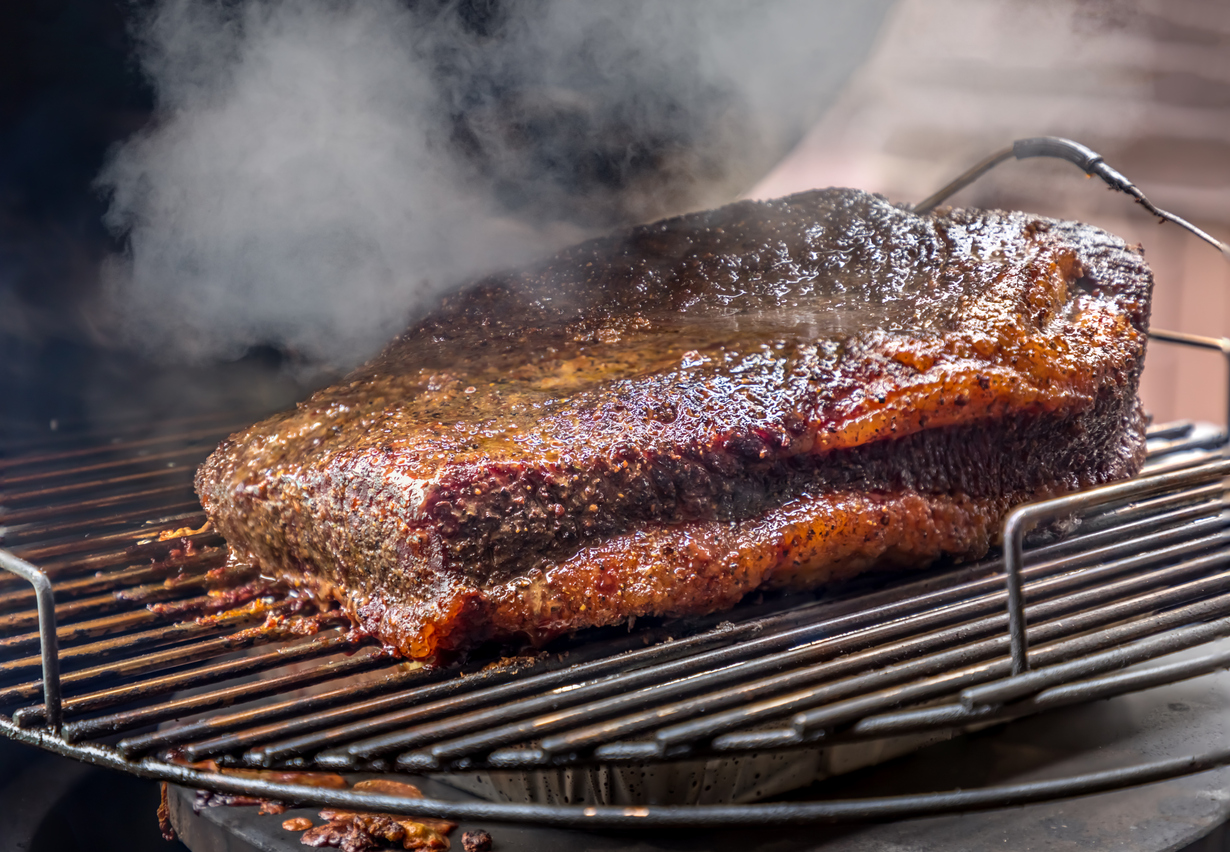
Texas BBQ culture shapes local food traditions through a blend of Indigenous cooking methods, Mexican barbacoa traditions, German and Czech meat-smoking techniques, and the influence of Black pitmasters across East Texas. Over generations, these culinary traditions transformed outdoor cooking into one of the state's defining social experiences. Today, Texas remains one of the nation’s most recognized barbecue destinations, with legendary smokehouses, family-run pit operations, weekend cookouts, and regional styles that continue influencing restaurants and home cooking across the state. From slow-smoked brisket in Central Texas to South Texas barbacoa and East Texas chopped beef sandwiches, Texas barbecue reflects centuries of cultural exchange and regional identity.
How Indigenous Pit-Roasting Shaped Texas BBQ
The roots of Texas barbecue trace back thousands of years to Indigenous peoples who used pit-roasting and open-fire cooking techniques long before European settlement. Tribes throughout present-day Texas, including the Caddo, Karankawa, and Coahuiltecan peoples, cooked meats over open flames and in underground pits designed to retain heat for extended periods. These methods helped preserve meat, improve tenderness, and create smoky flavor profiles still associated with modern barbecue. The word “barbacoa” itself originates from the Caribbean Taíno people, whose raised wooden cooking structures influenced Spanish terminology during early colonial exploration. As Spanish settlers and ranching communities moved into Texas during the 1600s and 1700s, Indigenous cooking methods blended with European livestock practices and fire-based cooking traditions. These combined influences helped establish the foundation for modern Texas BBQ. Many traditional techniques still used today — including slow smoking, wood selection, and pit cooking — reflect this early culinary exchange.
German Butchers Who Made Texas BBQ Brisket Iconic
View this post on Instagram
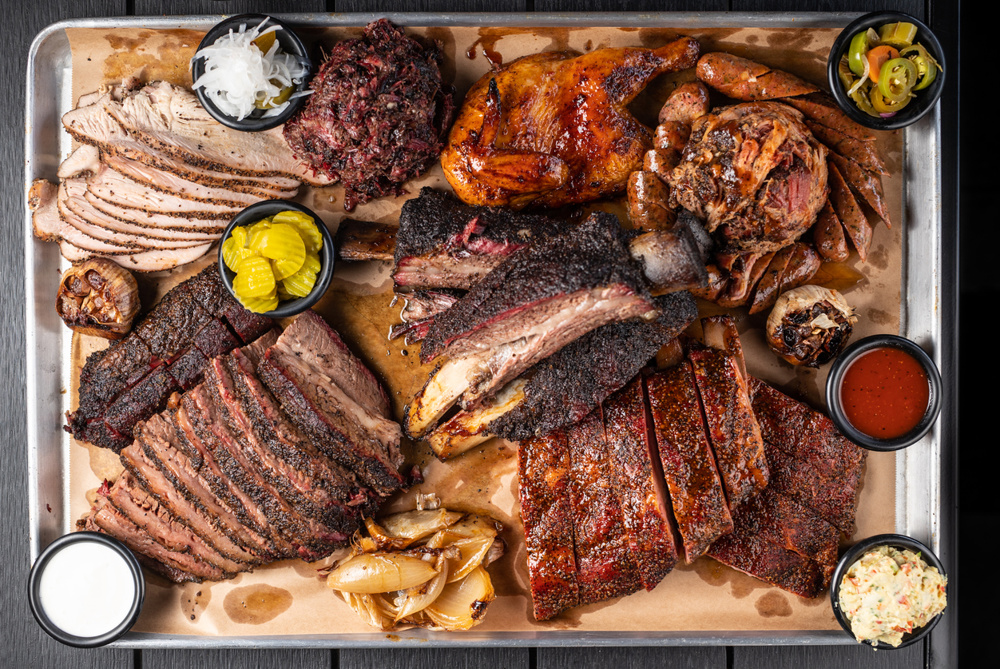
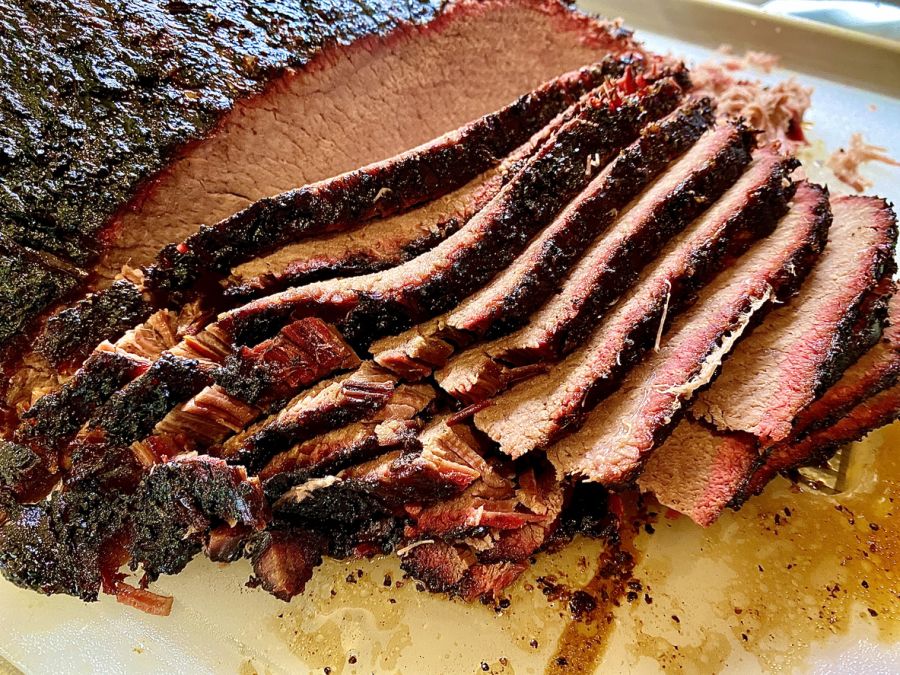
When German and Czech immigrants settled throughout Central Texas during the 19th century, they introduced meat-smoking and butchery traditions that permanently shaped Texas barbecue culture. Communities in towns such as Lockhart, Taylor, Luling, and Elgin became known for butcher shops that smoked leftover cuts of meat to preserve them and reduce waste. Brisket, once considered a difficult cut due to its toughness, became a signature Texas BBQ staple through low-and-slow smoking methods that gradually transformed it into tender, flavorful meat with a peppery bark. Central Texas pitmasters traditionally relied on post oak wood, simple salt-and-pepper seasoning, and direct butcher-paper service rather than heavy sauces. Historic establishments such as Kreuz Market, Black’s Barbecue, and Louie Mueller Barbecue helped define the Central Texas barbecue style that remains internationally recognized today.
Why Barbacoa Defines South Texas BBQ Sundays
View this post on Instagram
Across South Texas, barbacoa remains one of the region’s most important barbecue traditions and continues serving as a staple of weekend family gatherings. Traditional barbacoa preparation involves slow-cooking beef — historically cow head or beef cheeks — over many hours until the meat becomes exceptionally tender. Earlier methods often used underground pits lined with heated stones and wrapped with leaves or cloth coverings to trap moisture and heat. While modern commercial preparation frequently uses above-ground smokers or commercial ovens, many families still preserve traditional weekend barbacoa customs passed down through generations. Barbacoa remains especially popular in cities such as:
- San Antonio
- Laredo
- Brownsville
- McAllen
- Corpus Christi
Sunday morning barbacoa paired with fresh tortillas, salsa, onions, and cilantro continues to serve as an important family and community tradition throughout South Texas.
Black Pitmasters Who Helped Shape East Texas BBQ Flavor
African American pitmasters played a major role in shaping East Texas barbecue traditions, particularly in the Piney Woods region. Drawing from Southern cooking traditions and smokehouse techniques developed before and after emancipation, Black pitmasters created a style centered on slow-smoked pork and beef served with rich sauces and bold seasoning. Unlike the salt-and-pepper simplicity of Central Texas barbecue, East Texas BBQ often emphasizes:
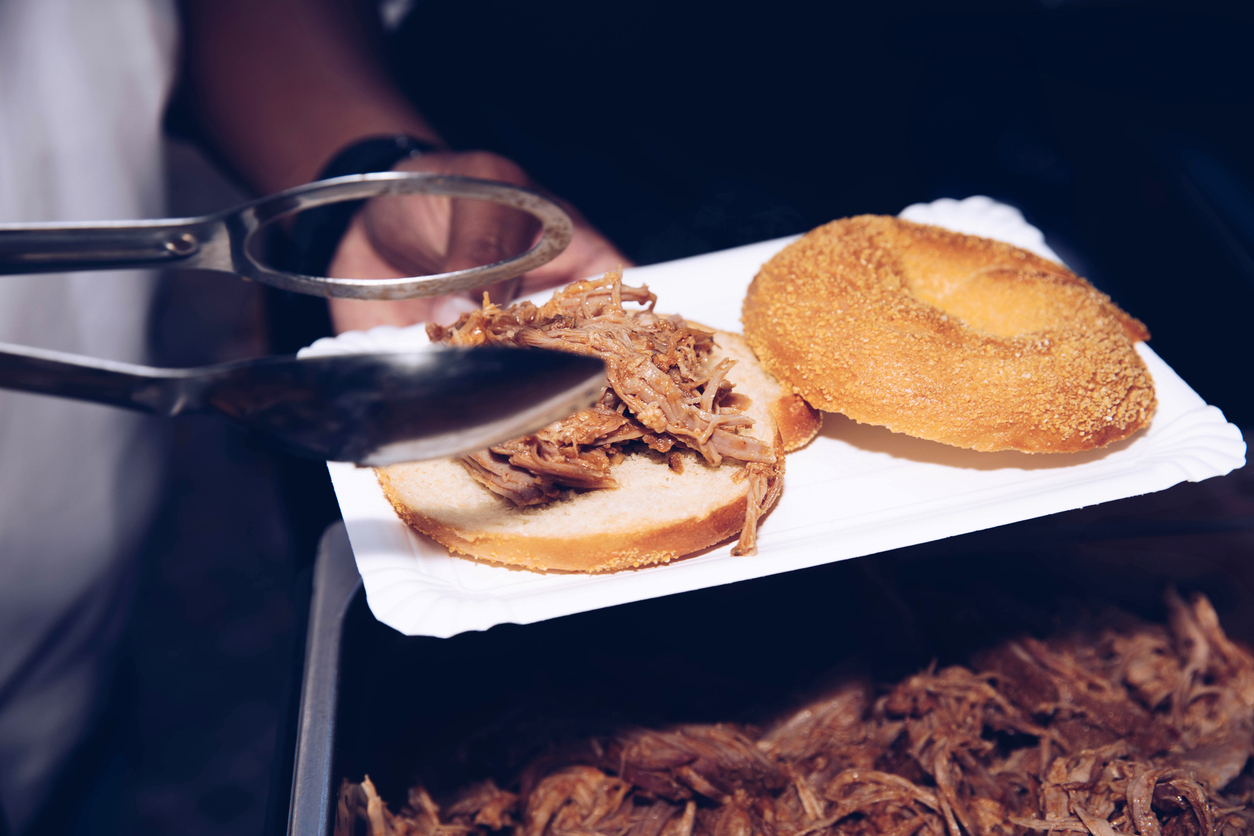
- Chopped beef sandwiches
- Pork ribs
- Sausage
- Hickory wood smoke
- Tomato-based sauces
- Heavily seasoned meats
Many early Black pitmasters cooked for ranches, logging camps, churches, and community gatherings, helping spread barbecue traditions throughout East Texas communities. Today, African American barbecue traditions remain central to Texas BBQ culture and continue influencing restaurants, festivals, and modern pitmasters statewide.
The Four Major Regional Texas BBQ Styles
View this post on Instagram
Texas barbecue is often divided into four major regional styles, each shaped by local history, immigration, geography, and available ingredients. Central Texas BBQ Known for:
- Beef brisket
- Post oak smoke
- Salt-and-pepper seasoning
- Butcher paper service
- German and Czech influences
Popular destinations include:
- Lockhart
- Taylor
- Luling
- Austin
East Texas BBQ Known for:
- Chopped beef and pork
- Hickory wood
- Sweeter sauces
- Southern influences
- Smoked sausage
Popular destinations include:
- Tyler
- Longview
- Marshall
- Nacogdoches
South Texas BBQ Known for:
- Barbacoa
- Mesquite wood
- Mexican culinary influence
- Beef cheeks and cabeza
- Handmade tortillas
Popular destinations include:
- San Antonio
- Laredo
- Rio Grande Valley communities
West Texas “Cowboy Style” BBQ Known for:
- Open-fire cooking
- Mesquite grilling
- Direct heat methods
- Beef and goat
- Ranch-style preparation
Popular destinations include:
- Midland
- Odessa
- Alpine
- Fort Stockton
These regional styles continue evolving as new pitmasters blend traditional methods with modern culinary techniques.
How BBQ Gatherings Became Central to Texas Social Life
View this post on Instagram
Barbecue in Texas has always been about more than food. Outdoor cookouts, church gatherings, rodeos, family reunions, and community celebrations helped turn BBQ into a defining part of Texas social life. Weekend grilling and smoking remain deeply woven into Texas culture, especially during:
- Memorial Day
- Fourth of July
- Football season
- Rodeos and county fairs
- Family celebrations
Barbecue restaurants themselves also became gathering spaces where communities connect. Long lines outside famous spots such as Franklin Barbecue in Austin or Snow’s BBQ in Lexington often feel like social events as much as dining experiences. Community cook-offs and local BBQ competitions further reinforce barbecue’s role as a shared cultural tradition throughout the state.
Where Historic Texas Pitmasters Still Practice Traditional Methods
View this post on Instagram
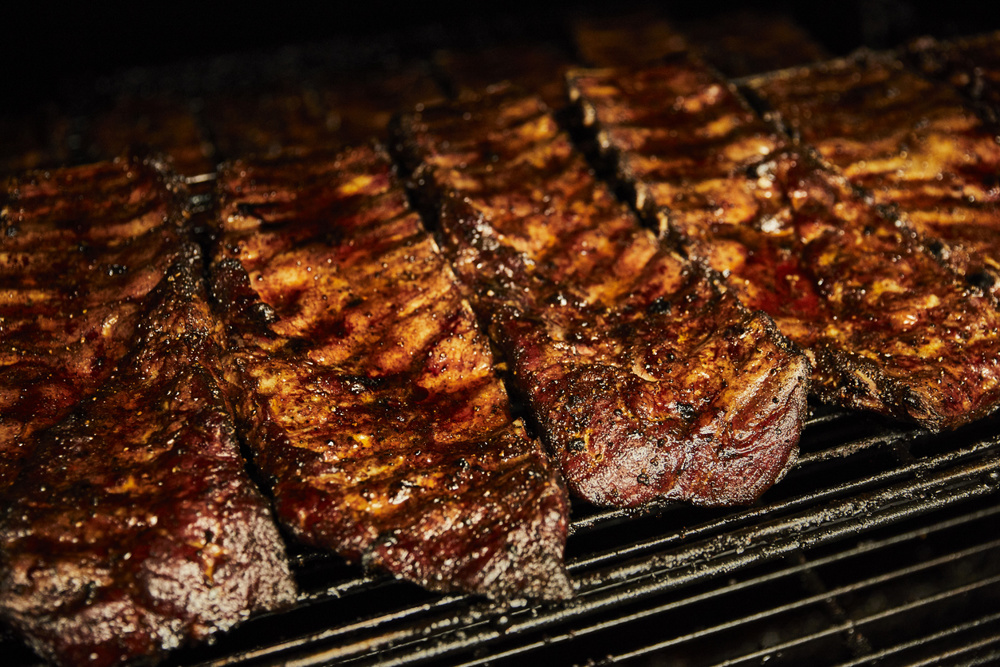
Several historic Texas barbecue establishments still preserve traditional smoking techniques that date back generations. In Central Texas, many pitmasters continue using offset smokers fueled by post oak wood, maintaining overnight fire management practices that require constant attention. Historic barbecue destinations include:
- Kreuz Market in Lockhart
- Black’s Barbecue in Lockhart
- Louie Mueller Barbecue in Taylor
- Smitty’s Market in Lockhart
- Snow’s BBQ in Lexington
In East Texas and South Texas, smaller family-run operations continue preserving regional smoking traditions tied to local communities and cultural heritage. Many pitmasters still rely on:
- Hand-built smokers
- Traditional wood-fired pits
- Family seasoning recipes
- Slow overnight cooking schedules
- Handmade sausage preparation
These long-standing methods help preserve the authenticity and identity of Texas barbecue culture.
Texas BBQ Festivals and Community Cook-Offs
Texas hosts some of the country’s largest barbecue festivals and cook-off events, attracting pitmasters, food enthusiasts, and travelers from around the world. Popular events include:
- Houston Livestock Show and Rodeo World’s Championship Bar-B-Que Contest
- Texas Monthly BBQ Fest
- Lockhart Chisholm Trail Roundup
- Smoked Dallas BBQ Festival
- Red Dirt BBQ & Music Festival in Tyler
These festivals often combine barbecue with:
- Live music
- Cooking demonstrations
- Local vendors
- Family activities
- Pitmaster competitions
BBQ cook-offs also remain a major part of Texas community culture, especially in smaller towns where local volunteer organizations, rodeos, and civic groups organize annual events. Many Texas BBQ road trips also include stops at outdoor festivals, live music venues, and seasonal community events that celebrate regional food traditions.
Outdoor BBQ and Backyard Smoking Culture in Texas
Backyard barbecue remains one of the most recognizable parts of Texas food culture. Across the state, families regularly gather around:
- Offset smokers
- Pellet grills
- Charcoal pits
- Brick smokers
- Open-fire barbecue pits
Outdoor cooking spaces have become increasingly elaborate, with many Texas homeowners building full backyard kitchens designed specifically for smoking brisket and hosting large gatherings. Because barbecue often requires long cooking times, outdoor smoking naturally encourages socializing, storytelling, and community gatherings throughout the day.
Modern Texas BBQ and Culinary Innovation
While traditional barbecue methods remain highly respected, modern Texas pitmasters continue pushing the cuisine in new directions. Many contemporary smokehouses now experiment with:
- Fusion barbecue dishes
- International seasoning influences
- Wagyu brisket
- House-made sausages
- Creative side dishes
- Desserts inspired by smoke flavors
Cities such as Austin, Houston, and Dallas have become major centers for modern barbecue innovation while still honoring regional traditions. At the same time, younger pitmasters increasingly focus on:
- Sustainable sourcing
- Local ranch partnerships
- Heritage livestock breeds
- Wood quality and smoke science
- Precise temperature control
This balance between tradition and innovation continues helping Texas BBQ evolve while maintaining its cultural identity.
Conclusion
Texas barbecue reflects centuries of cultural exchange, regional history, and outdoor cooking traditions that continue shaping local food across the state. From Indigenous pit-roasting methods and South Texas barbacoa to Central Texas brisket and East Texas smoked meats, each regional style tells a story about the people and communities that built Texas food culture. Whether experienced through historic smokehouses, backyard cookouts, family gatherings, or statewide BBQ festivals, Texas barbecue remains one of the state’s strongest culinary traditions and an important part of everyday social life.